Understanding HKEX Level 2 Market Data
In the evolving landscape of cryptocurrency and blockchain technology, having access to precise and timely market data is critical for traders and investors alike. The HKEX (Hong Kong Exchanges and Clearing Limited) Level 2 market data provides an advanced view of market behaviors, offering insights that extend well beyond the surface. As developers and financial institutions seek to implement data-driven strategies in trading and investment research, a robust stock API, such as the HKEX Level 2 market data, can significantly enhance decision-making processes by providing real-time access to critical trading indicators.
What is HKEX Level 2 Market Data?
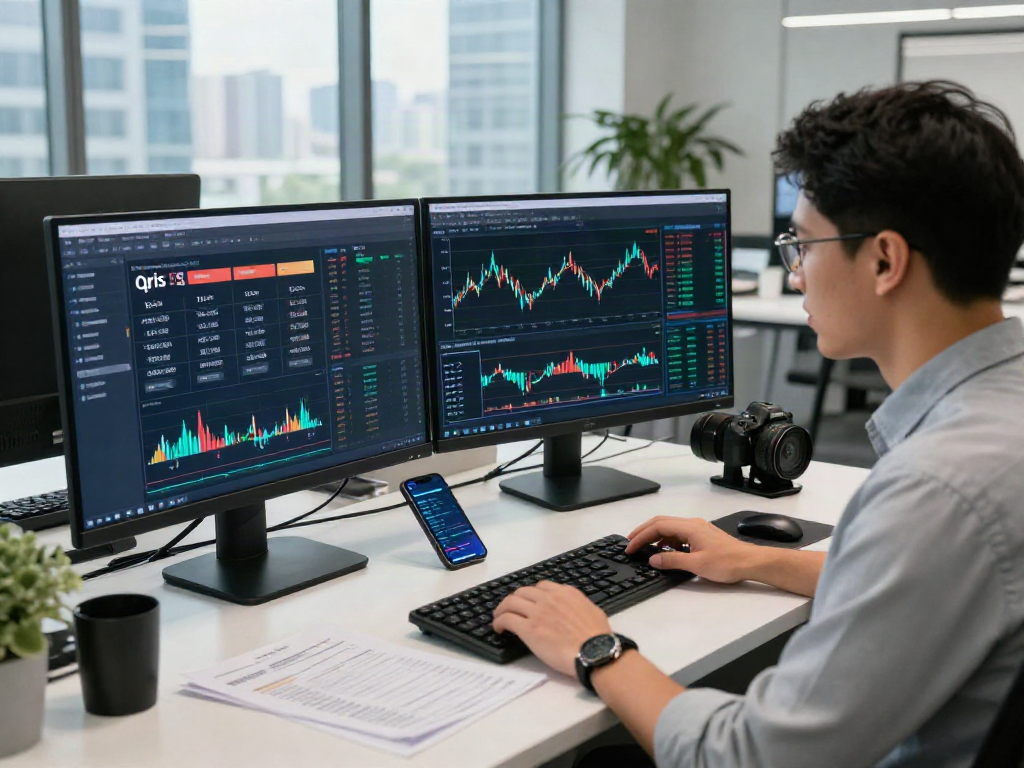
HKEX Level 2 market data represents the depth of the order book, detailing not only the best bid and ask prices but also the complete list of various orders on each side of the market. This data enables traders to assess market liquidity, recognize trading patterns, and gain insights into supply and demand dynamics. By having access to more granular data, users can execute strategies that are driven by enhanced market visibility, which can inform everything from short-term trades to long-term investment decisions.
Key Components of Level 2 Data
- Order Book Information: This includes the price and volume of orders placed by buyers and sellers at various levels.
- Market Depth: Provides insight into how many shares or contracts are available at various price levels, indicating potential price barriers.
- Trade Volume: The total number of shares traded during a specific period, vital for understanding market activity.
- Bid-Ask Spread: The difference between the highest price a buyer is willing to pay and the lowest price a seller will accept, critical for assessing liquidity.
Benefits for Traders and Investors
The availability of HKEX Level 2 market data carries numerous advantages for active traders and institutional investors. This data enhances market intelligence, facilitating better risk management through informed decision-making. Traders can identify potential reversal points, capture short-term price movements, and optimize entry and exit strategies. Additionally, with real-time access to this data, users can adjust their strategies promptly in response to market fluctuations.
Utilizing HKEX Level 2 Data for Trading
Integrating Level 2 Data into Trading Strategies
Integrating HKEX Level 2 data into trading strategies can significantly amplify an investor's efficacy. This involves aligning the insights gained from comprehensive order book data with technical analysis and market sentiment. By understanding market depth, traders can better plan their buy and sell orders, ensuring minimal slippage and more favorable execution prices. Additionally, advanced quantitative trading strategies leverage this data to identify arbitrage opportunities across different markets.
Analyzing Order Books and Market Depth
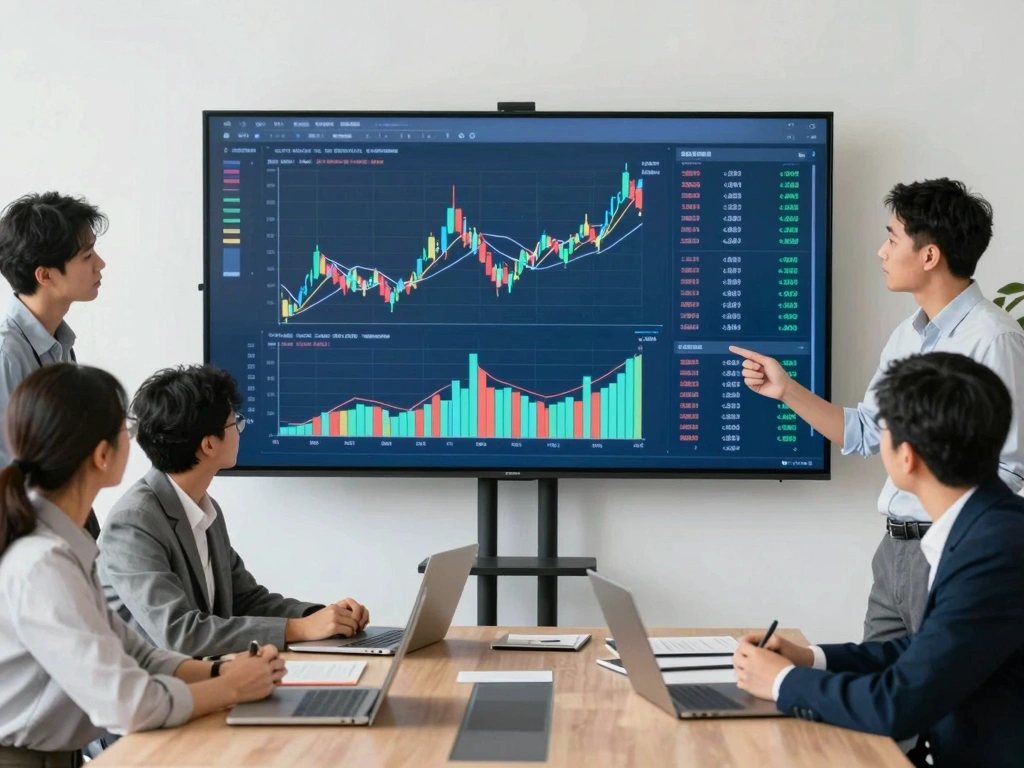
Analyzing the order book is crucial when reacting to market tendencies. Using Level 2 data, traders can discern the balance between buy and sell orders, leading to insightful predictions regarding price movements. Tools that visualize order flow can enhance user experience by offering clear graphical representations of this data. Engaging with the market in this manner allows for nuanced strategies, such as placing limit orders at optimal market conditions.
Real-Time Decision Making with Level 2 Data
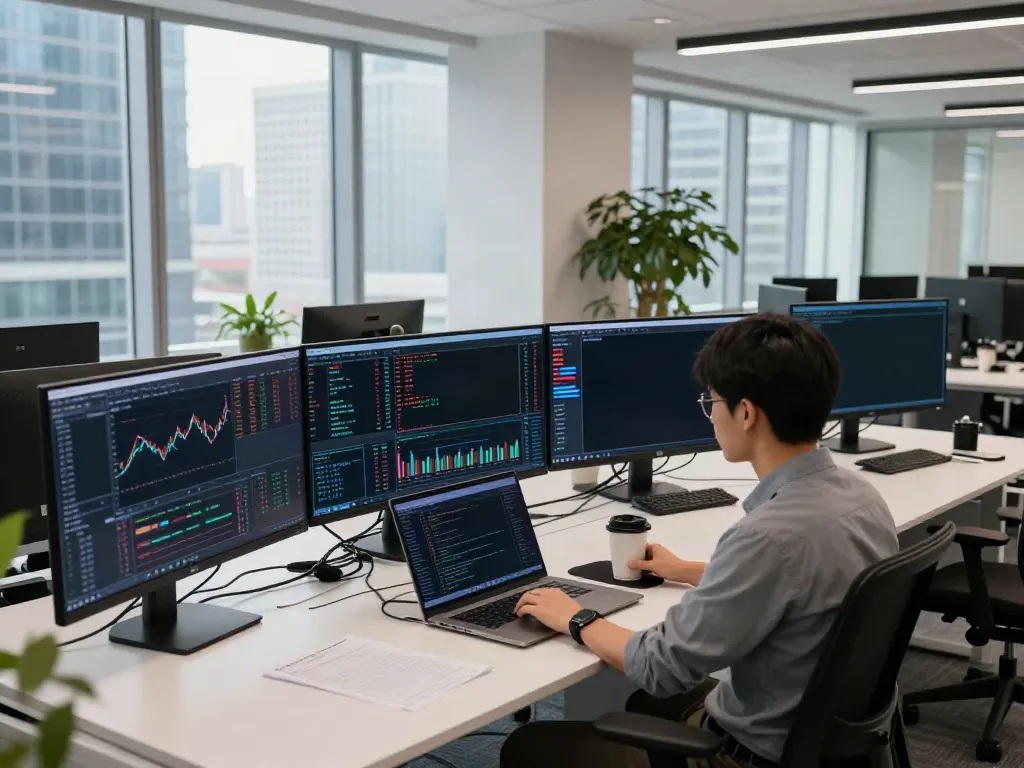
The ability to make informed decisions rapidly is paramount in financial markets. Level 2 data empowers traders to act swiftly on real-time information regarding price and volume changes. This speed in decision-making can result in capturing a larger share of profitable trades, thus enhancing portfolio returns. When utilizing an API such as iTick's for accessing HKEX Level 2 data, the integration can be automated to facilitate real-time alerts for significant market moves.
The Role of APIs in Accessing Market Data
Overview of Trading APIs and Their Importance
Trading APIs play a pivotal role in today's financial ecosystem, allowing seamless data transmission between traders and financial data providers. By ensuring that traders have access to the latest pricing and market depth information, APIs facilitate the integration of complex trading algorithms into investor workflows. A well-designed API reduces latency in data retrieval, allowing traders to respond promptly to market changes, which is crucial in high-frequency trading environments.
Connecting to HKEX Level 2 Data via API
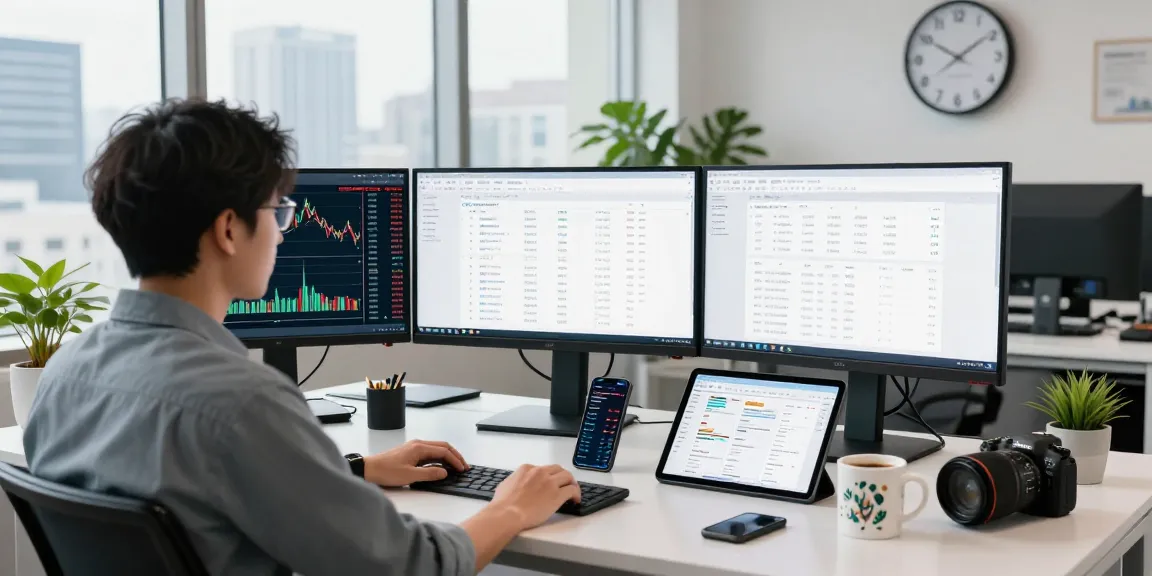
Connecting to HKEX Level 2 data through API services typically involves secure access points, which utilize standardized protocols such as RESTful APIs or WebSocket connections. These connections enable traders to receive real-time notifications about market changes, ensuring their data analytics frameworks remain up-to-date with the latest market conditions. Proper API usage can transform the data collection process into a more efficient cycle, enabling traders to concentrate on strategy rather than data management.
Security Best Practices for API Use
A core consideration when using APIs for trading is security. Traders must implement robust practices to safeguard their data and algorithmic strategies. This includes using secure tokens for authentication, implementing IP whitelisting, and employing encryption for data transfer. Moreover, regular audits and adherence to industry best practices, such as those outlined in the OWASP top ten security vulnerabilities, can significantly mitigate risks associated with API exploitation.
Comparative Analysis of Stock Data Providers
Evaluating Different Stock Data Services
When evaluating stock data providers, traders should consider various factors such as data coverage, service reliability, and ease of integration. iTick, for instance, stands out for offering comprehensive data feeds covering over 50 global exchanges—including crucial markets such as the US, HK, and A-shares. The ability to access various data formats and real-time updates ensures that traders can select solutions tailored to their specific requirements.
Latency, Coverage, and Protocols Compared
Latency is a critical metric in trading, as it directly affects execution prices. By comparing different data providers, traders can assess average latency for data deliveries and the geographic distribution of their servers. Coverage breadth regarding the variety of stocks and asset classes is essential, as it allows for a diversified trading strategy that aligns with the investor's portfolio optimization goals. Moreover, support for different data protocols (WebSocket vs. REST) can determine ease of integration into existing trading environments.
Cost-Effectiveness of Various Solutions
Cost-effectiveness is another paramount concern, especially for entry-level traders and small institutions. Providers must balance the quality of data against the cost of accessing that data, ensuring that users receive value without incurring unnecessary overhead. Services offering free API keys, such as iTick, enable traders to explore features before committing to paid services, which is vital for testing new strategies or tools. Understanding the pricing model is crucial for firms that plan to scale up their trading operations.
Future Trends in Market Data Accessibility
The Impact of Decentralized Finance on Data Access
Decentralized Finance (DeFi) is redefining how market data is accessed and utilized. As DeFi platforms proliferate, the demand for open-source and decentralized data feeds is increasing. The adoption of blockchain technology enables end-users to have direct access to real-time financial data without the need for intermediaries, potentially reducing costs and enhancing transparency within the market.
Technological Innovations in Financial Data
Emerging technologies such as artificial intelligence (AI) and machine learning (ML) are set to revolutionize how financial data is analyzed and utilized. Algorithms that leverage AI can analyze vast quantities of Level 2 market data to identify patterns and predict price movements more accurately than traditional methods. Furthermore, developments in Natural Language Processing (NLP) can enable traders to incorporate qualitative data, such as social media sentiment, into their trading algorithms.
Regulatory Changes and Their Effects on Market Data
The regulatory landscape surrounding cryptocurrencies and market data is continuously evolving. With growing scrutiny from regulatory bodies worldwide, businesses must stay abreast of changing regulations which may impact their operations. Compliance with emerging standards such as the SEC regulations and the MiCA framework in the EU is crucial for maintaining market integrity and consumer protection. Understanding how regulatory shifts will affect data access and the trading environment is essential for stakeholders.
What is HKEX Level 2 Market Data?
HKEX Level 2 market data offers a comprehensive overview of market orders and activities, which helps traders gain insights into optimal trading levels. Understanding this data allows stakeholders to enhance their trading strategies substantially.
How does Level 2 Data benefit traders?
Level 2 data benefits traders by providing greater visibility into market conditions, enabling informed decision-making and the ability to act upon real-time data for maximizing profitability.
What are the risks associated with trading on HKEX?
The risks of trading on HKEX include market volatility, liquidity issues, and potential regulatory impacts that can affect trading outcomes. Understanding these risks is essential for traders to manage their positions effectively.
How to securely access API data for trading?
Accessing API data securely involves implementing protocols such as secure authentication methods, consistent encryption for data transfers, and regular monitoring for any unauthorized access attempts.
What are the future trends in financial market data?
Future trends in financial market data will likely emphasize decentralization, increased use of AI and ML for data analytics, and responsiveness to evolving regulatory frameworks to maintain transparency and trust.