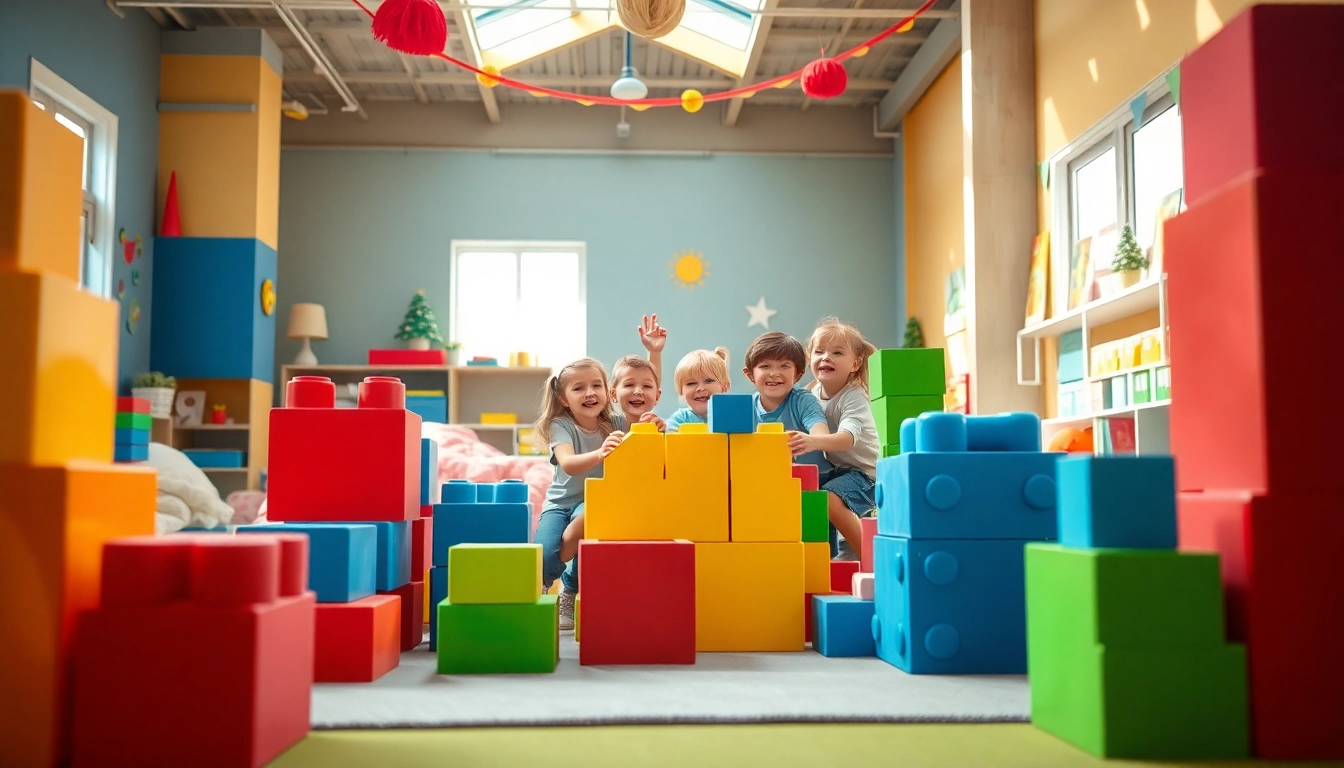
Introduction to Giant Building Blocks
Giant building blocks have become a prominent fixture in playrooms and schools, captivating children and educators alike with their versatility and engaging potential. These oversized building elements not only provide hours of entertainment but also stimulate critical developmental skills in young minds. discover more about how these blocks can transform playtime into a valuable educational experience.
What Are Giant Building Blocks?
Giant building blocks come in various shapes, sizes, and materials, typically designed to be larger than traditional building blocks. They are often made from lightweight yet durable materials such as foam or plastic, which allows children to build impressive structures without the risk of injury. Unlike smaller blocks, which can be cumbersome for little hands, giant blocks encourage collaborative play and can be easily manipulated by children of all ages.
Benefits of Play with Giant Blocks
Playing with giant building blocks offers several key benefits:
- Development of Fine Motor Skills: Manipulating large blocks helps children strengthen their hand-eye coordination and dexterity.
- Encouragement of Imagination: These blocks serve as a blank canvas for creative expression, where children can construct anything from a simple tower to an expansive castle.
- Social Interaction: As children collaborate on projects, they develop vital teamwork and communication skills.
- Problem Solving: Building larger structures encourages children to think critically about balance, stability, and spatial relationships.
- Physical Activity: The size of giant blocks allows for movement and energetic play, providing a fun way to stay active.
Safety Considerations for Indoor Play
Safety is paramount when it comes to indoor play with giant building blocks. Parents and caregivers should keep the following considerations in mind:
- Material Safety: Choose blocks made from non-toxic, child-safe materials to avoid potential health risks.
- Soft Edges: Opt for blocks designed with rounded edges to minimize injuries during play.
- Supervised Play: Always supervise young children while they play to prevent accidents.
- Stable Structures: Encourage children to build low and stable structures to minimize the risk of collapse.
Creative Construction Ideas
Building is not just about stacking blocks; it's about exploring creativity. Here are some inventive ways to use giant building blocks:
Building Structures: From Castles to Forts
Giant building blocks are perfect for constructing elaborate structures. Children can create unique castles, imposing forts, or even fantastical spaceships. Encourage collaborative building sessions where kids can brainstorm designs and share ideas. Provide themes for projects, such as medieval castles or jungle huts, to stimulate imagination and creativity. Consider incorporating challenges, like building the tallest tower or the most intricate design, to enhance engagement.
Using Blocks for Educational Development
Beyond play, giant building blocks can serve as educational tools. They can be integrated into various learning activities:
- Math Skills: Use blocks to teach counting, addition, and subtraction in a hands-on manner.
- Science Concepts: Explore physics by discussing balance and gravity as children experiment with their builds.
- Geometric Shapes: Introduce basic geometry concepts by identifying shapes and angles found in their structures.
Imaginative Play Scenarios
Encourage imaginative scenarios by prompting children to create stories around their constructions. For instance, if they build a castle, have them invent a tale involving knights and dragons. This practice fosters creative writing skills and narrative thinking, connecting play with literacy development. Children can take turns being storytellers, enhancing their verbal skills and overall confidence.
Games and Activities with Building Blocks
Maximizing the fun with giant building blocks can be achieved through engaging games and activities. Here are suggestions to keep children entertained:
Obstacle Courses and Challenges
Set up obstacle courses using giant building blocks, allowing children to navigate through, over, and around structures they create. This form of physical play enhances coordination and balance. You can further put a twist on the challenge by timing them or creating mini obstacles that they have to overcome using their blocks, such as jumping over or crawling under specific structures.
Collaborative Group Activities
Group activities involving giant building blocks promote teamwork and cooperation. Form teams and assign specific building projects where children need to work together to accomplish a common goal. This not only strengthens their collaborative skills but also fosters friendships. Consider organizing competitions that allow children to showcase their creations and celebrate their efforts.
Solo Play Ideas for Kids
For quiet time or focused play, solo activities using giant building blocks can be equally enriching. Encourage activities such as:
- Building a Dream Home: Have kids design their dream home with different rooms representing various themes (e.g., house of nature, underwater home).
- Creating a Story Map: Use blocks to outline story elements, helping children visualize their narratives.
- Color Sorting: If blocks come in various colors, challenge children to sort them, enhancing their recognition and categorization skills.
Maintenance and Care for Building Blocks
Ensuring the longevity and cleanliness of giant building blocks requires proper maintenance. Here are essential tips to follow:
Cleaning and Sanitizing Tips
Regular cleaning of giant building blocks is crucial, especially in shared environments such as schools or community centers. Follow these cleaning tips:
- Use mild soap and water solution to wipe down blocks regularly.
- For a deeper clean, a solution of vinegar and water disinfects without using harsh chemicals.
- Rinse thoroughly and allow blocks to air dry to prevent mold or mildew growth.
Storing Blocks Efficiently
Proper storage keeps play areas tidy and can prolong the life of building blocks. Consider the following storage methods:
- Bins or Baskets: Use clearly labeled bins for different shapes and sizes, making it easier for children to find and put away blocks.
- Vertical Storage: If space allows, use vertical shelving to store blocks, ensuring they are easily accessible without taking up too much floor space.
- Outdoor Storage: If blocks are designed for outdoor use, ensure they are stored away from direct sunlight and moisture to maintain their integrity.
Inspecting for Damage
Routine inspections of giant building blocks are necessary for safety and usability. Check for:
- Cracks or breaks in structure, which can pose safety hazards.
- Signs of wear that may affect the blocks' stability during play.
- Color fading that could indicate the need for replacement (if the blocks are intended for outdoor use).
FAQs about Giant Building Blocks
What age is appropriate for giant building blocks?
Giant blocks are suitable for children aged 2 and up, promoting creativity safely.
How can building blocks promote learning?
They enhance fine motor skills, problem-solving, and cooperative play among children.
Are giant building blocks safe for indoor use?
Yes, most giant blocks are designed with soft edges and lightweight materials for safety indoors.
Can adults enjoy playing with giant blocks?
Absolutely! They can be fun for team-building exercises and artistic projects.
How do I choose the right building blocks?
Look for quality materials, age-appropriate sizes, and versatile shapes for varied play.