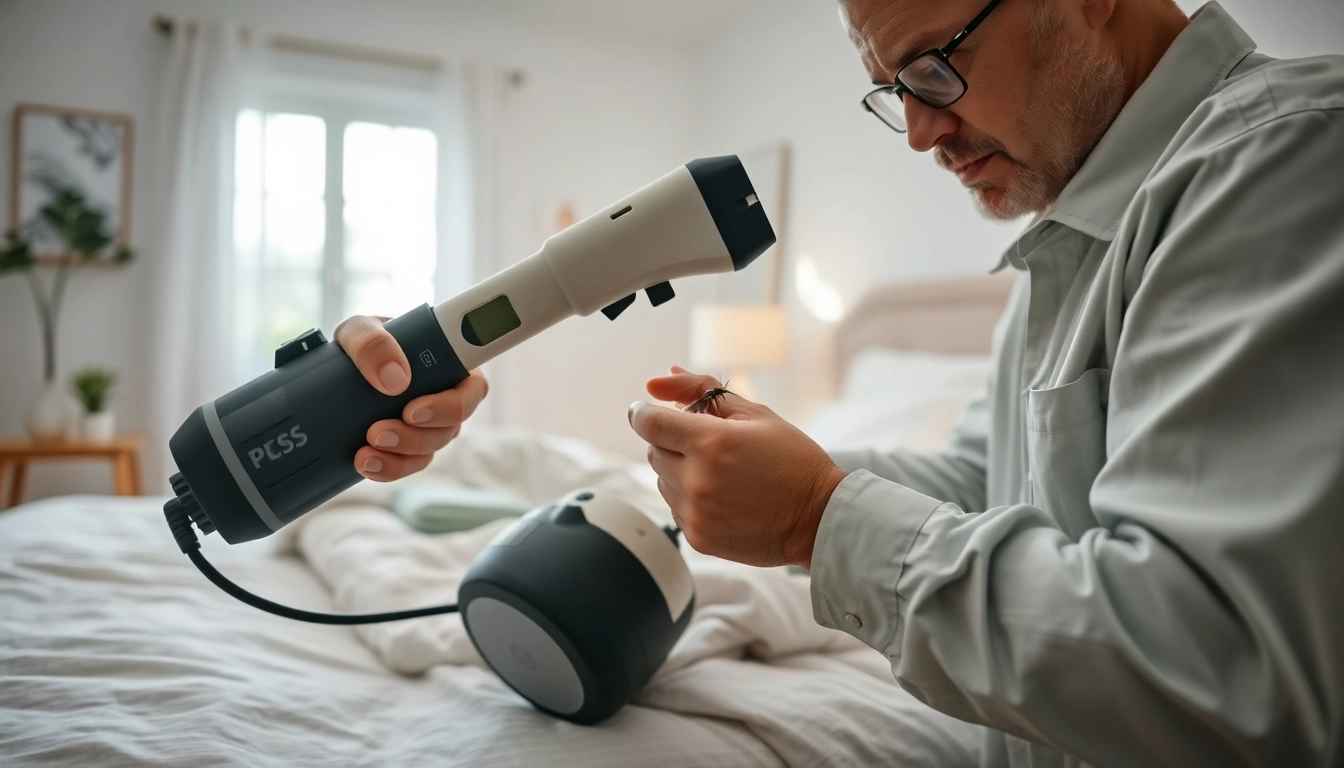
Understanding Bed Bugs
What are Bed Bugs?
Bed bugs are small, brownish insects that feed on the blood of humans and animals while they sleep. Adult bed bugs typically measure about 5 to 7 millimeters in length, resembling apple seeds in appearance. Their small size allows them to hide in various places such as mattresses, bed frames, and cracks in walls. Bed bugs are known for their resilience; they can survive months without feeding, making eradication particularly challenging.
Signs of Infestation
Recognizing a bed bug infestation early can significantly impact the success of eradication efforts. Common signs include:
- Itchy Bites: Small, red, itchy welts on your skin often appear in clusters and are common indicators of bed bug bites.
- Blood Stains: Small blood spots on bed linens or on the mattress can indicate a bed bug’s meal was interrupted.
- Fecal Spots: Dark brown or black spots from bed bug droppings found on bedding or walls indicate their presence.
- Egg Casings: Tiny, yellowish eggs or white shells can be found in places where bed bugs are likely to hide.
- Live Bugs: Spotting actual bugs, especially at night, is a strong indicator of infestation.
Health Risks Associated with Bed Bugs
While bed bugs do not transmit diseases, their bites can cause various health problems. This includes allergic reactions, secondary infections, and significant itching, which can lead to sleepless nights or insomnia. The psychological impact is also notable; many people experience anxiety or stress regarding their infestations.
Bed Bug Removal Methods
DIY Bed Bug Removal
Do-it-yourself (DIY) methods for bed bug removal may appeal to those looking to save money, but they require diligence and thoroughness. Some commonly suggested methods include:
- Heat Treatment: Washing bedding and clothes at high temperatures, combined with drying on high heat, can effectively kill bed bugs at all life stages.
- Freezing: Placing infested items in a freezer for several days can eliminate bed bugs.
- Diatomaceous Earth: This natural powder damages the exoskeletons of bed bugs, leading to dehydration and death when sprinkled in areas where they hide.
- Vacuuming: Regular vacuuming can help reduce the population significantly, especially if focused on seams of mattresses, baseboards, and upholstered furniture.
Despite these methods, DIY approaches often fail to eliminate infestations completely, making professional intervention a recommended strategy in more severe cases.
Professional Bed Bug Extermination Services
Professional exterminators bring expertise, proven methods, and advanced equipment to combat bed bug infestations. Services typically involve:
- Inspections: Thorough inspections to identify the extent of the infestation and areas where bed bugs are likely hiding.
- Treatment Plans: Customized treatment plans that may involve a combination of heat treatment, pesticides, and physical removal to ensure complete eradication.
- Follow-Up Visits: Multiple visits may be necessary to confirm the infestation has been fully eliminated. Follow-ups ensure any remaining eggs or bugs are dealt with promptly.
Hiring professionals is essential in severe infestations or if DIY methods fail. Their knowledge increases the likelihood of complete bed bug removal.
Heat Treatment vs Chemical Solutions
Understanding the effectiveness and suitability of heat treatment versus chemical solutions can guide your bed bug removal choice:
- Heat Treatment: This method involves raising the temperature in infested areas to a lethal level (around 120°F or 49°C) for a certain duration. It is highly effective as it kills all life stages of bed bugs without leaving chemical residues.
- Chemical Solutions: Pesticides can also be effective but might require numerous applications to ensure full eradication. Chemical solutions can be harmful if used improperly; it's crucial to use products approved by health agencies.
For many homeowners, a combination of both methods can yield the best results. It is essential to follow expert guidelines for use to avoid health risks and ensure effectiveness.
Preparing for Bed Bug Removal
Before Treatment Checklist
Proper preparation is vital for effective bed bug removal. Consider the following checklist before treatment:
- Declutter: Remove items from the floor and surfaces to minimize hiding places for bed bugs.
- Launder Bed Linens: Wash all bedding, clothing, and fabrics in hot water and dry them at high temperatures.
- Vacuum Thoroughly: Use a vacuum on mattresses, carpets, and furniture, and dispose of the vacuum bag securely to prevent re-infestation.
- Notify Neighbors: Consider informing surrounding units, especially in multi-family dwellings, to detect any signs of bed bugs early.
Implementing these steps can significantly enhance the effectiveness of the chosen bed bug removal method.
How to Launder Affected Items
Laundering is a crucial step in bed bug removal. Follow these guidelines to effectively launder affected items:
- Gather Affected Fabrics: Collect all bedding, clothes, and towels that may have come into contact with bed bugs.
- Bagging: Place all items in sealed plastic bags to prevent further spread before washing.
- Wash at High Temperatures: Use the hottest water setting that the fabrics can tolerate. High heat kills bed bugs and eggs.
- Dry on High Heat: After washing, dry all items on the highest setting for at least 30 minutes to ensure all bugs and eggs are eliminated.
- Seal and Store Items: Store laundered items in sealed containers or bags until the bed bug situation is resolved.
Sealing Entry Points
Sealing entry points can help prevent the infiltration of bed bugs post-removal. To seal entry points:
- Inspect the Home: Check for cracks and crevices in walls, floors, and furniture.
- Apply Caulk: Use caulk to seal gaps around baseboards, electrical outlets, and windows.
- Repair Wall Cracks: Patch any holes in walls or ceilings where bed bugs might enter from adjacent rooms.
- Use Bed Bug Mattress Covers: Invest in encasements for mattresses and box springs to trap any remaining bugs and prevent future infestations.
Post-Removal Strategies
Monitoring for Reinfestation
After the treatment, ongoing monitoring is crucial to ensure success. Consider:
- Inspections: Regularly inspect sleeping areas for new signs of bed bugs.
- You Might Use Bed Bug Traps: Place traps near beds and furniture to catch any stray bugs that may have evaded prior treatments.
- Maintain Cleanliness: Keep areas free of clutter and routinely wash bedding to reduce opportunities for bed bugs to thrive.
Long-term Prevention Tactics
Successful long-term prevention entails adopting specific habits, such as:
- Regular Inspections: Routinely inspect second-hand furniture or luggage before bringing them into the home.
- Travel Precautions: When traveling, avoid placing luggage on beds and inspect accommodations upon arrival for signs of bed bugs.
- Use Protective Covers: Invest in high-quality, bed bug-proof mattress and pillow covers.
Tips for Keeping Your Home Bed Bug-Free
To further bolster your home against bed bugs:
- Regularly Vacuum: Keep your living areas vacuumed to remove any infested debris or stray bugs.
- Monitor Heat Levels: Bed bugs thrive at room temperature. Consider utilizing heat treatments periodically in vulnerable areas.
- Educate Yourself: Stay informed about bed bug prevention strategies and adapt to new methods as they become available.
Frequently Asked Questions
How long does bed bug removal take?
Bed bug removal can take several days to weeks, depending on the severity of the infestation and the methods used. Professional treatments may speed up this process.
Can I treat bed bugs myself?
DIY removal is possible but often less effective; professional treatments ensure complete elimination of bed bugs, especially in severe infestations.
What are the costs of bed bug removal?
Costs vary based on factors like infestation level, location, and methods used, typically ranging from $300 to $1,500 for professional services.
Are bed bugs harmful to my health?
While bed bugs can cause itchy bites that may lead to allergic reactions or secondary infections, they typically do not spread diseases.
What can I do to prevent bed bugs?
Preventive measures include regular inspections, using mattress protection covers, and being cautious when traveling to minimize exposure to bed bugs.
For further assistance, you can refer to bed bug removal services. Their experience can provide tailored strategies and solutions to keep your home free from bed bugs.