Understanding Equipment Hailing
What is Equipment Hailing?
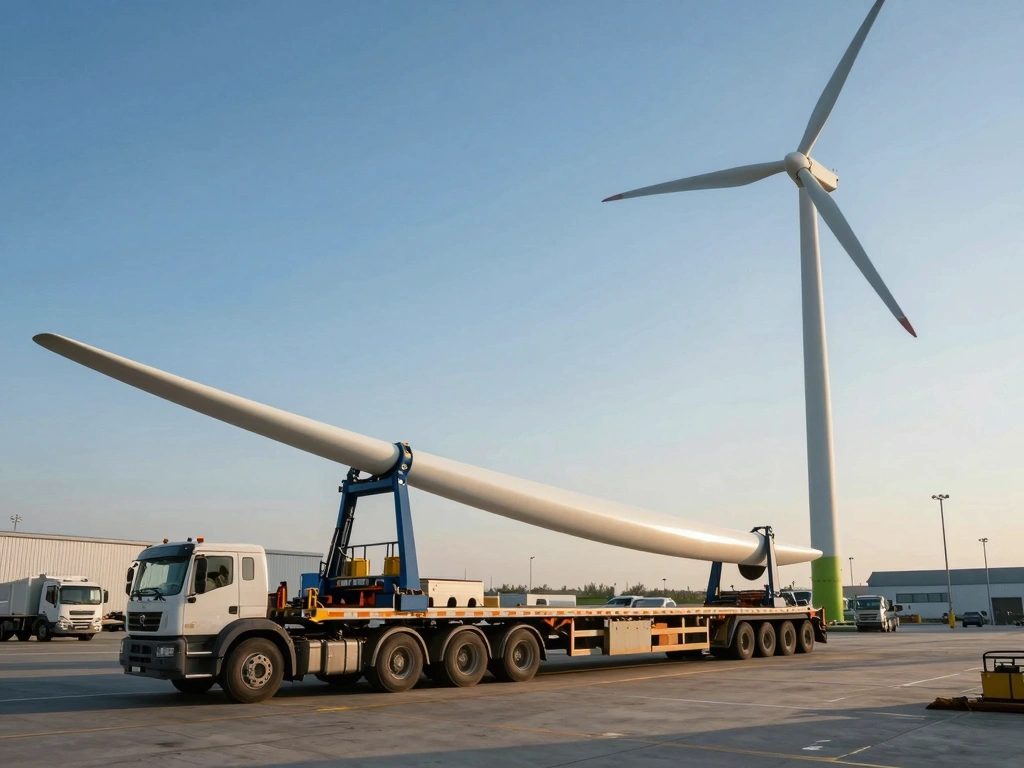
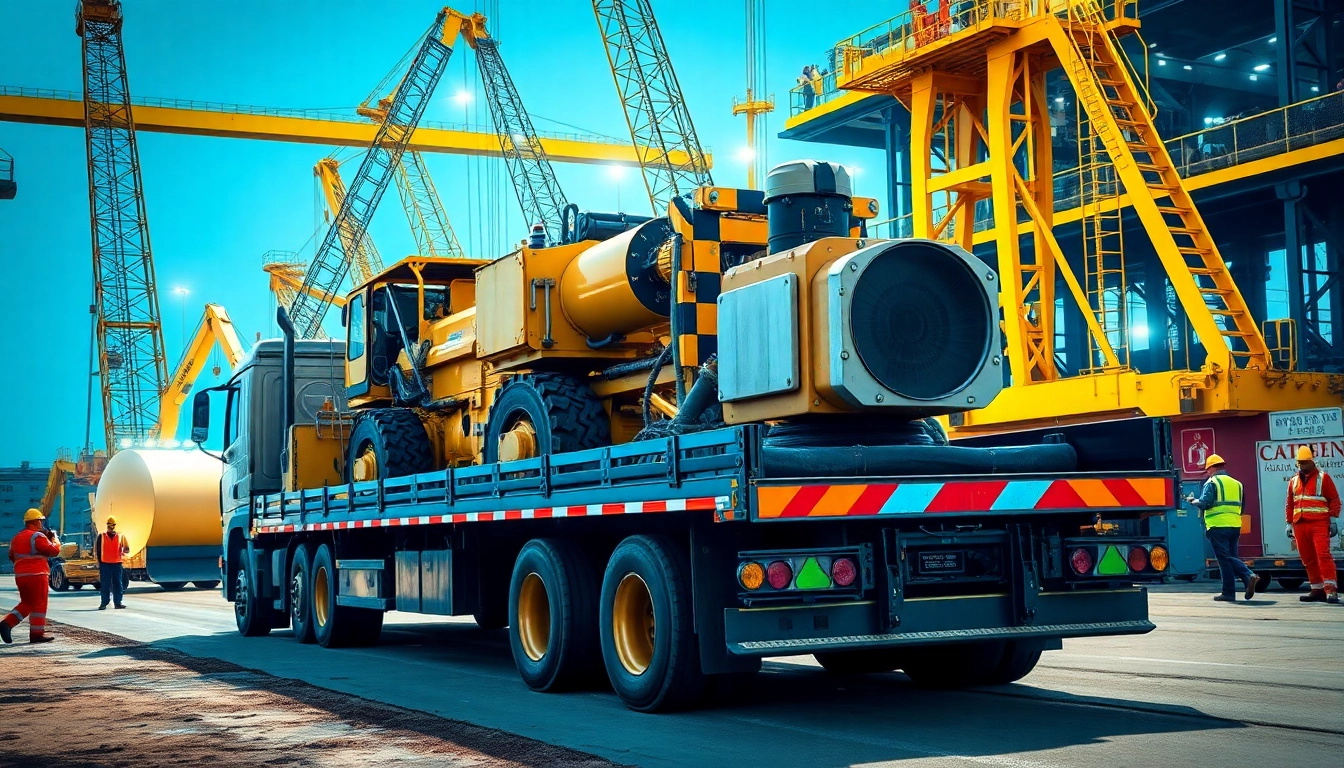
Equipment hailing refers to the process of coordinating the transportation of heavy machinery and vehicles from one location to another. It involves a series of logistical decisions, including selecting the appropriate vehicle, assessing load sizes, and ensuring that all necessary safety measures are in place for safe transport. This service is essential in industries such as construction, agriculture, and manufacturing, where heavy equipment needs to be moved frequently to various job sites.
Importance of Equipment Hailing
The significance of equipment hailing cannot be overstated. It plays a crucial role in ensuring that projects proceed smoothly and on schedule. Delays in transporting equipment can lead to increased costs and disrupted workflows. Furthermore, proper equipment hailing ensures compliance with safety regulations, preventing accidents and minimizing the risk of damage to both the equipment and the surrounding environment. By implementing efficient hailing strategies, businesses can enhance productivity, reduce transport costs, and improve overall operational efficiency.
Types of Equipment Commonly Hauled
Various types of equipment require specialized hauling techniques. Commonly transported items include:
- Heavy machinery such as excavators, bulldozers, and cranes
- Agricultural equipment including tractors, combines, and tillers
- Construction vehicles like cement mixers and dump trucks
- Industrial equipment such as generators, compressors, and large fabrication tools
- Specialized vehicles like tow trucks, scissor lifts, and fork-lifts
Planning Your Equipment Hailing
Assessing Load Types and Sizes
Before embarking on an equipment hailing project, it is crucial to assess the type and size of the loads you will be transporting. This includes measuring the dimensions and weight of the equipment and understanding its operational restrictions. Different types of loads may require unique handling, rigging, and securing methods. Accurate assessment helps in determining the necessary vehicles and transport methods.
Choosing the Right Vehicle
Choosing the appropriate vehicle is vital for successful equipment hailing. The type of vehicle depends on several factors:
- Weight capacity: Ensure the transport method can handle the load weight.
- Size: Consider the dimensions of the equipment and vehicle to avoid overhang.
- Type of terrain: Assess whether a flatbed, lowboy, or specialized trailer is needed based on the transport route.
- Compliance: Verify if the vehicle meets regulatory standards for transporting heavy loads.
Making the right choice can save time, reduce costs, and enhance safety.
Route Planning for Safety
Effective route planning is essential for equipment hailing. Factors to consider include:
- Road conditions: Choose routes that are safe for heavy equipment, avoiding construction zones and steep inclines.
- Legal restrictions: Check for height, weight limitations, and required permits along the route.
- Potential hazards: Identify any potential obstacles such as low bridges, narrow roads, or heavy traffic areas.
By meticulously planning the route, delays can be minimized, and the risks associated with transporting heavy loads can be significantly reduced.
Best Practices for Equipment Hailing
Safety Guidelines to Follow
Safety should be the top priority when hailing equipment. Here are some guidelines:
- Conduct pre-hauling inspections: Check equipment for damage and ensure it is in working order.
- Use qualified personnel: Ensure that trained professionals are handling the loading, securing, and transportation processes.
- Secure loads properly: Use the appropriate straps and chains to prevent movement during transit.
- Communicate effectively: Maintain clear communication between all team members involved in the transport process.
Following these safety protocols helps mitigate risks and prevents accidents.
Efficient Loading and Unloading Techniques
The efficiency of loading and unloading processes can significantly impact project timelines. Employing the following techniques will improve performance:
- Use proper equipment: Utilize forklifts, cranes, or pallet jacks to move heavy machinery safely.
- Plan sequence: Strategically plan the order of loading and unloading to minimize delays.
- Train personnel: Ensure that team members are trained in safe loading and unloading practices.
- Implement checklists: Use operational checklists to ensure that each step of the process is followed correctly.
Optimizing these processes can lead to smoother operations and reduced downtime.
Communicating with Team Members
Effective communication is vital for the success of equipment hailing. This includes:
- Regular briefings: Hold meetings before and after the hauling process to discuss expectations and review outcomes.
- Utilizing technology: Implement communication tools such as radios or mobile apps to maintain contact during transport.
- Feedback loops: Encourage team members to provide input on challenges faced during the transport process to help improve future operations.
Fostering an environment of open communication promotes teamwork and enhances overall project effectiveness.
Costs Associated with Equipment Hailing
Factors Affecting Hailing Costs
The cost of equipment hailing can vary significantly based on several factors:
- Distance: Longer distances will increase fuel and labor costs.
- Load type: Special loads may require specialized equipment or vehicles, raising expenses.
- Labor: Costs related to labor include not only drivers but also additional personnel for loading and unloading.
- Permitting: Certain routes or load sizes may require permits, adding to costs.
Understanding these factors can help in budgeting more effectively.
Estimating Your Budget for Hailing
To create an accurate budget for equipment hailing, it is advisable to take the following steps:
- Gather quotes: Reach out to several logistics providers for pricing information.
- Calculate additional costs: Factor in fuel, insurance, maintenance, and labor.
- Consider contingency funds: Include a buffer amount for unexpected expenses that may arise during transit.
Total visibility into expenses allows businesses to finance their projects more effectively.
Finding Cost-Effective Solutions
Identifying cost-effective solutions can help streamline expenses. Consider the following strategies:
- Optimize routes: Use tools or software to determine the most fuel-efficient routes.
- Consolidate shipments: Combine multiple loads into a single journey when feasible to reduce costs.
- Build relationships: Establish long-term relationships with logistics providers for better rates.
Cost-effective methods enhance profitability and improve overall operational health.
Future Trends in Equipment Hailing
Technological Innovations
Technology is rapidly transforming the logistics and hailing industry. Key trends include:
- Automation: The use of autonomous vehicles is on the rise, potentially reducing labor costs and increasing efficiency.
- Telematics: Advanced tracking systems allow for real-time monitoring of equipment movements.
- Data analytics: Analyzing operational data can help companies optimize routes and improve decision-making processes.
Adopting these technologies can provide a competitive advantage in the equipment hailing market.
Environmental Considerations
With a rising focus on sustainability, the equipment hailing industry is adapting by:
- Using alternative fuels: Exploring biofuels and electric vehicles to minimize carbon footprints.
- Implementing efficient practices: Streamlining operations to reduce waste and improve fuel efficiency.
- Monitoring emissions: Adopting technologies that measure and report emissions, promoting transparency.
Increasing environmental awareness is pushing the industry towards greener operational standards.
Insights from Industry Experts
Industry experts predict a continued evolution with a strong emphasis on safety and efficiency. They highlight the importance of:
- Continual training: Investing in workforce development to keep up with best practices and safety regulations.
- Collaboration: Encouraging partnerships among industry players to enhance service offerings.
- Innovation: Promoting a culture of innovation that encourages companies to explore new technologies.
Embracing these insights can enhance competitiveness and sustainability.
FAQs about Equipment Hailing
What is the average cost of equipment hailing?
The cost typically ranges from $150 to over $2,000, depending on factors such as distance, load size, and necessary permits.
How can I find a reliable equipment hailing service?
Researching customer reviews, asking for referrals, and checking credentials are effective ways to find a trustworthy service.
What are the safety regulations for transporting heavy equipment?
Safety regulations vary by location but generally include securing loads, weight limits, and specific driver qualifications for heavy vehicles.
How can I prepare my equipment for hailing?
Ensure your equipment is clean, inspected for damage, securely loaded and meets all transport regulations prior to hailing.
What should I do in case of delays during hailing?
If delays occur, communicate with transport personnel, adjust schedules as needed, and maintain customer updates to ensure transparency.
Contact Information
Call Us:4062607988Address: 3906 MT-40, Columbia Falls, MT 59912