Understanding Queue Detection Software
What is Queue Detection Software?
Queue detection software is an advanced technological solution designed to monitor, analyze, and manage queues in various environments. By using algorithms and data from sensors or cameras, this software provides real-time insights into crowd dynamics, predicting congestion, and optimizing flow to reduce wait times. Whether in a retail store, airport, or during events, the need for efficient crowd management makes queue detection software an essential tool for enhancing customer experiences.
Key Features and Benefits
Queue detection software comes equipped with several key features. These may include:
- Real-Time Monitoring: Accurate tracking of queue lengths and wait times.
- Data Analytics: In-depth analysis of traffic patterns helping businesses adjust staffing accordingly.
- Forecasting Capabilities: Predictive analytics to mitigate congestion before it occurs.
- Automated Alerts: Notifications for staff about potential bottlenecks.
- Integration Capabilities: Easily integrates with existing systems for seamless operation.
These features empower businesses to enhance operational efficiency, improve customer satisfaction, and ultimately drive profitability.
How It Works in Real Time
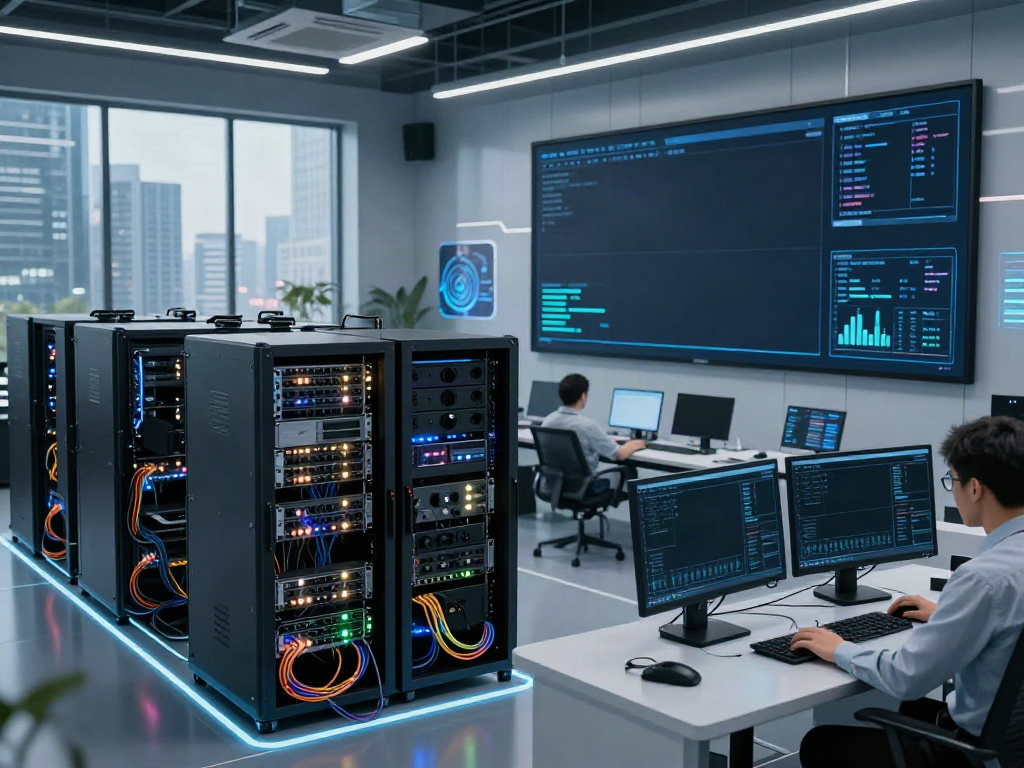
The operation of queue detection software revolves around data collection and analysis. Cameras or sensors capture real-time footage or data, which is fed into the software. The algorithms then translate this visual data into actionable insights, providing metrics such as current queue lengths, average wait times, and the speed of service. By contextualizing this data, organizations can make informed decisions swiftly, optimizing the customer flow and enhancing their experience.
Types of Queue Detection Systems
Camera-Based Queue Detection Systems
Camera-based queue detection systems use video analytics to monitor customer movements. This technology enables the software to count the number of people waiting in line, assess patterns in behavior, and even interpret the mood of customers through various facial recognition technologies. As customers navigate through the queue, the system updates metrics in real time, allowing management to make immediate adjustments to staffing and service strategies.
Radar and Sensor-Based Solutions
Radar and sensor-based queue detection systems are designed to measure vehicle or foot traffic through various modalities. These technologies utilize transponders or infrared sensors aimed at specific zones to detect movement. Radar systems, in particular, can accurately gauge the speed and density of vehicles, making them pertinent for traffic-heavy environments such as highways and event venues. These systems are particularly advantageous for large-scale operations where human oversight would be insufficient.
Software Integrations for Enhanced Performance
Integrating queue detection software with other technological infrastructures can amplify its effectiveness. For instance, linking it with CRM systems can empower businesses to pull customer data, tailoring their services even further. Such integrations may encompass notification systems for alerts, digital signage that communicates wait times, or operational dashboards showing real-time analytics accessible by management. These enhancements provide a comprehensive view of customer engagement and operational efficiency.
Implementing Queue Detection Software
Steps to Deploy Queue Detection Solutions
Deploying queue detection software necessitates a well-structured implementation plan:
- Define Objectives: Identify specific goals aligned with business needs, such as reducing wait times or optimizing staffing.
- Select the Integrated System: Choose a queue detection system that best fits operational requirements, whether camera-based or radar.
- Conduct Site Assessment: Evaluate the physical space to ensure optimal placement of hardware for maximum effectiveness.
- Install Software: Implement the queue detection software while ensuring all integrations with existing systems are functional.
- Train Staff: Educate employees on using the software effectively to leverage its capabilities.
- Monitor and Adjust: Continuously review performance and make necessary adjustments based on feedback and analytics.
Challenges in Implementation
While implementing queue detection software can yield significant benefits, challenges may arise. Potential obstacles include integration pitfalls, data privacy concerns, and technological malfunctions. Ensuring clear communication among stakeholders and conducting thorough testing pre-launch can mitigate these risks. Additionally, offering training sessions enhances employee confidence and usage probability, reducing inefficiencies long-term.
Best Practices for Successful Integration
To ensure successful integration of queue detection software:
- Engage in Pilot Testing: Run a pilot program to evaluate system efficiency and employee adaptation.
- Collect Feedback: Use employee and customer feedback to continually enhance the configuration of the system.
- Regular Maintenance: Schedule regular maintenance to ensure the technology continues to operate optimally.
- Data Compliance: Adhere strictly to local laws regarding data privacy and operational transparency.
Use Cases and Applications
Retail Environments and Queue Management
In retail environments, queue detection software plays a crucial role in managing customer experiences. By analyzing peak traffic times, stores can staff more effectively and deploy additional registers during busy hours, limiting frustration among shoppers. Additionally, real-time tracking of customer wait times on digital displays keeps consumers informed, significantly enhancing perceptions of service quality.
Transportation Hubs and Traffic Flow
Transportation hubs, including airports and bus terminals, benefit immensely from queue detection systems. Not only does the software assure the smooth movement of passengers, but it also provides valuable data that helps manage crowd flow. Airlines can adjust boarding processes based on current line lengths, optimizing fuel use and time efficiency. Moreover, keeping travelers informed about anticipated wait times promotes a better customer experience.
Event Management and Customer Experiences
During large events, managing crowds is often challenging without the right tools in place. Queue detection software enables event organizers to oversee entry points and manage crowds effectively. Real-time alerts can help staff preemptively address congestion, directing customers to less populated areas or adjusting service availability for immediate resolution. In this vein, customer satisfaction typically shows significant improvement through organized and timely entry and service.
Future of Queue Detection Software
Technological Advances Impacting the Industry
The future of queue detection software will likely continue to evolve alongside advancements in AI and machine learning. These technologies will refine analytics further, providing deeper insights and better predictive capabilities. The incorporation of IoT devices will also enhance operational capabilities, allowing for extensive networks of interconnected device data. In doing so, queue detection software can offer unparalleled service efficiency.
Trends Shaping Queue Detection and Management
Trends in consumer behavior drive the evolution of queue detection software. Increasing mobile device usage promotes the integration of mobile applications for real-time tracking of queues and service availability, thus reducing physical waiting. Additionally, the growing emphasis on personalized consumer experiences necessitates dynamic operational adjustments to meet changing demands effectively.
Case Studies: Success Stories in Adoption
Observation of successful deployment campaigns showcases the immense potential of queue detection software. For example, a large retail chain that implemented a state-of-the-art queue detection system reported a decrease in average customer wait times by over 30%. This reduction translated into a significant increase in customer satisfaction ratings and overall store revenue. Documenting such cases validates the efficacy of the technology and fosters broader adoption across industries.
FAQs about Queue Detection Software
What is queue detection software used for?
Queue detection software is primarily used to monitor customer behavior, analyze foot traffic, and optimize service delivery in environments such as retail, transportation, and events.
Can queue detection software operate in real-time?
Yes, queue detection software provides real-time monitoring and analytics, helping businesses react quickly to customer flow changes and enhance service efficiency.
How does queue detection software help businesses?
This software enables businesses to reduce wait times, improve customer experiences, and optimize staffing levels based on real-time foot traffic data.
Is queue detection software difficult to implement?
While the implementation can present challenges such as integration issues, a well-planned approach with thorough testing and staff training can lead to a smooth deployment.
What technology is used in queue detection systems?
Queue detection systems commonly use cameras, sensors, and radar technologies to gather data on customer flow and queues, facilitating analysis and insights.