
Understanding Construction Site Safety Los Angeles
What is Construction Site Safety?
Construction site safety refers to the practices and protocols implemented to ensure the health and protection of workers in construction environments. This encompasses various aspects including the use of protective equipment, adherence to safety regulations, training programs, and emergency preparedness. It serves as a framework to mitigate risks and prevent accidents, thereby fostering a safe working atmosphere. In metropolitan areas like Los Angeles, where construction activity is prevalent, construction site safety los angeles becomes even more critical due to the intensity of operations and diverse hazards present.
The Importance of Safety Protocols
Implementing stringent safety protocols is essential in any construction environment. It not only protects workers but also enhances project efficiency and reduces costs associated with workplace accidents. Effective safety protocols can prevent loss of life, serious injuries, and minimize legal liabilities. Moreover, a strong safety record strengthens the reputation of contractors and enhances employee morale.
Common Safety Hazards in Construction
Construction sites are fraught with hazards that can pose serious risks to workers. Common safety hazards include:
- Falls from heights due to improper use of scaffolding or ladders.
- Struck-by incidents from falling tools or machinery.
- Electrical shock from exposed wiring or faulty equipment.
- Trench collapses that can threaten workers underground.
- Exposure to harmful substances like asbestos or chemicals.
- Noise-induced hearing loss due to loud equipment.
Identifying and mitigating these risks is crucial for ensuring safe working conditions.
Essential Safety Equipment for Construction
Personal Protective Equipment (PPE)
Personal Protective Equipment (PPE) is the cornerstone of construction site safety. PPE may include:
- Hard hats to protect against head injuries.
- Safety glasses to shield eyes from debris.
- Ear protection to prevent hearing damage.
- Respirators that guard against inhalation of harmful substances.
- High-visibility vests to ensure workers are seen in low-light conditions.
- Steel-toed boots to protect against foot injuries.
These items should be worn consistently and replaced as needed to maintain their protective qualities.
Safety Gear Regulations
Regulations regarding safety gear must comply with Occupational Safety and Health Administration (OSHA) standards. Employers are responsible for ensuring that all safety gear meets these standards, is properly maintained, and readily available for workers. Regular assessments and training sessions should reinforce the importance of wearing appropriate gear at all times.
Innovations in Safety Technology
Advancements in safety technology are continually reshaping construction site safety practices. Innovations include the use of drones for site surveillance, software for comprehensive risk assessments, and wearable technology that monitors workers' vitals and activity levels. Such technology helps identify hazards in real-time and enhances emergency response capabilities. These tools can significantly improve overall safety outcomes.
Training and Education for Workers
Safety Training Programs
Comprehensive safety training programs are essential for educating workers about risks and safety practices. These programs should cover topics such as proper equipment use, hazard recognition, and emergency procedures. Engaging methods like hands-on training, simulations, and interactive sessions can reinforce important concepts and ensure better retention.
Emergency Response Training
Training in emergency response equips workers to react swiftly and effectively in crisis situations. This includes fire drills, first-aid training, and procedures for various emergencies like chemical spills or equipment failures. Regular practice of these drills ensures that employees are prepared and can make informed decisions when it matters most.
Assessment of Safety Knowledge
Regular assessments of employees' safety knowledge are vital in determining their understanding of safety protocols. Implementing quizzes, practical demonstrations, and refresher courses can help gauge the effectiveness of training and identify areas needing improvement. Feedback from assessments should further guide training adaptations and adjustments.
Implementing Safety Guidelines on Site
Daily Safety Briefings
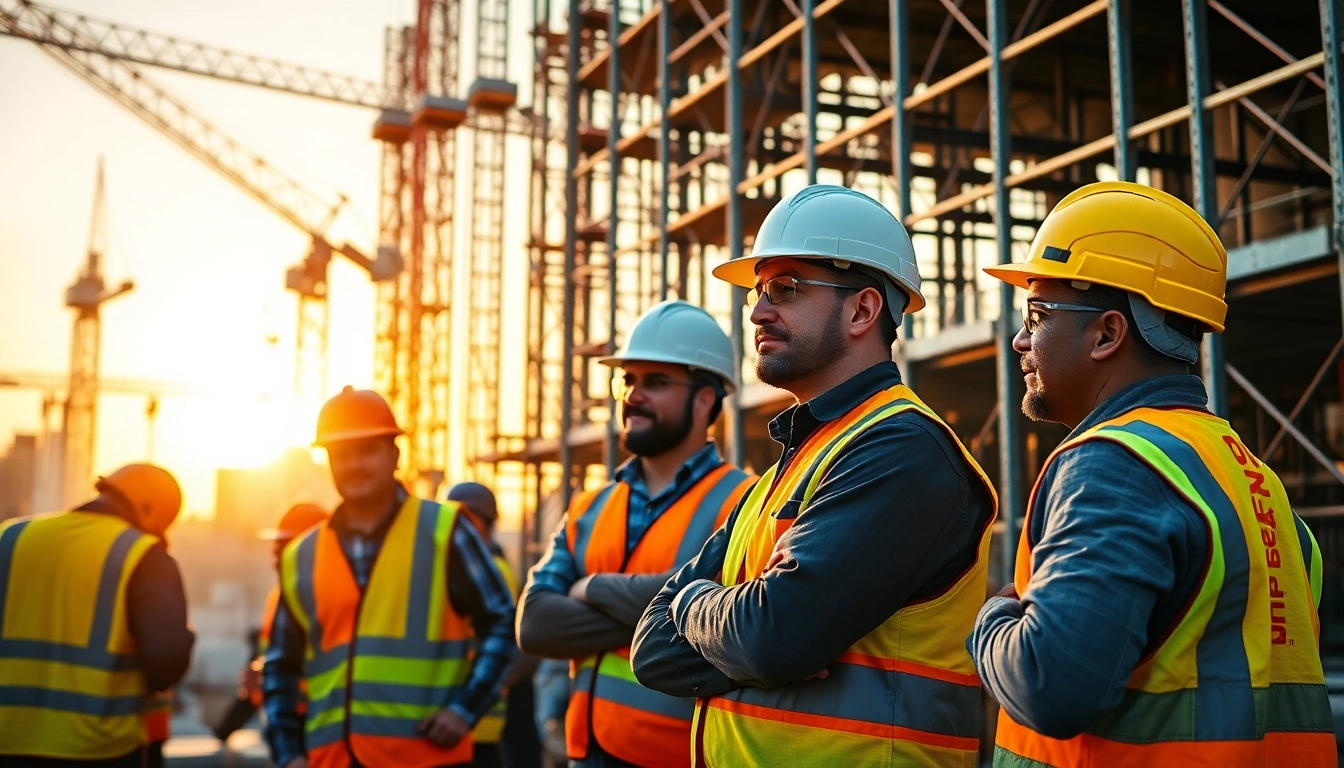
Conducting daily safety briefings is a proactive approach to promote safety awareness. These briefings cover the specific hazards present on site, review safety protocols, and remind workers about PPE regulations. Making these briefings engaging can foster participation and collaboration among workers.
Creating a Safety Culture
Establishing a culture of safety requires the commitment of all employees, from management to laborers. Employers should lead by example, demonstrating adherence to safety protocols and encouraging open communication regarding safety concerns. Incentive programs can motivate workers to prioritize safety and report hazards. Recognizing and rewarding safe behaviors helps solidify this culture.
Monitoring and Compliance
Monitoring workplace compliance with safety guidelines is crucial for maintaining a safe environment. Regular site inspections, safety audits, and safety performance reviews should be conducted to ensure adherence to established protocols. Employers should also be proactive in addressing any violations and implementing corrective measures.
Evaluating Safety Performance and Metrics
Tracking Incidents and Near Misses
Documenting incidents and near misses provides invaluable insights into safety performance. A thorough analysis helps identify patterns, contributing factors, and potential areas for improvement. Companies should use this data to adjust training programs, update safety protocols, and enhance overall safety measures on site.
Measuring Safety Effectiveness
Quantifying safety effectiveness can be achieved through various metrics, such as the number of injuries reported, days away from work, and compliance audits passed. Establishing key performance indicators (KPIs) specific to construction operations can provide a clearer picture of safety performance. Regularly reviewing these metrics aids in assessing the efficacy of safety initiatives and informing future strategies.
Continuous Improvement Strategies
Commitment to continuous improvement in safety practices is vital for long-term success. Regular feedback from workers, staying updated on industry best practices, and integrating new technologies can drive enhancements in safety protocols. Organizations should foster an environment where learning from mistakes is encouraged, and improvements are actively pursued.
Frequently Asked Questions
What is the primary purpose of construction site safety?
The primary purpose is to protect workers from hazards, ensuring their health and safety while minimizing accidents and injuries on the job site.
What equipment is considered mandatory for PPE?
Mandatory PPE typically includes hard hats, safety glasses, hearing protection, gloves, and steel-toed boots, depending on the specific risks of the site.
How often should safety training occur?
Safety training should occur regularly, with initial training for new employees and periodic refresher courses typically conducted annually or more frequently as needed.
Why are daily safety briefings important?
Daily safety briefings reinforce awareness of existing hazards, review safety procedures, and maintain open communication among workers to promote safety on site.
What can be done to improve safety culture?
Improving safety culture requires leadership commitment, open communication, employee involvement in safety practices, and recognition of safe behavior.