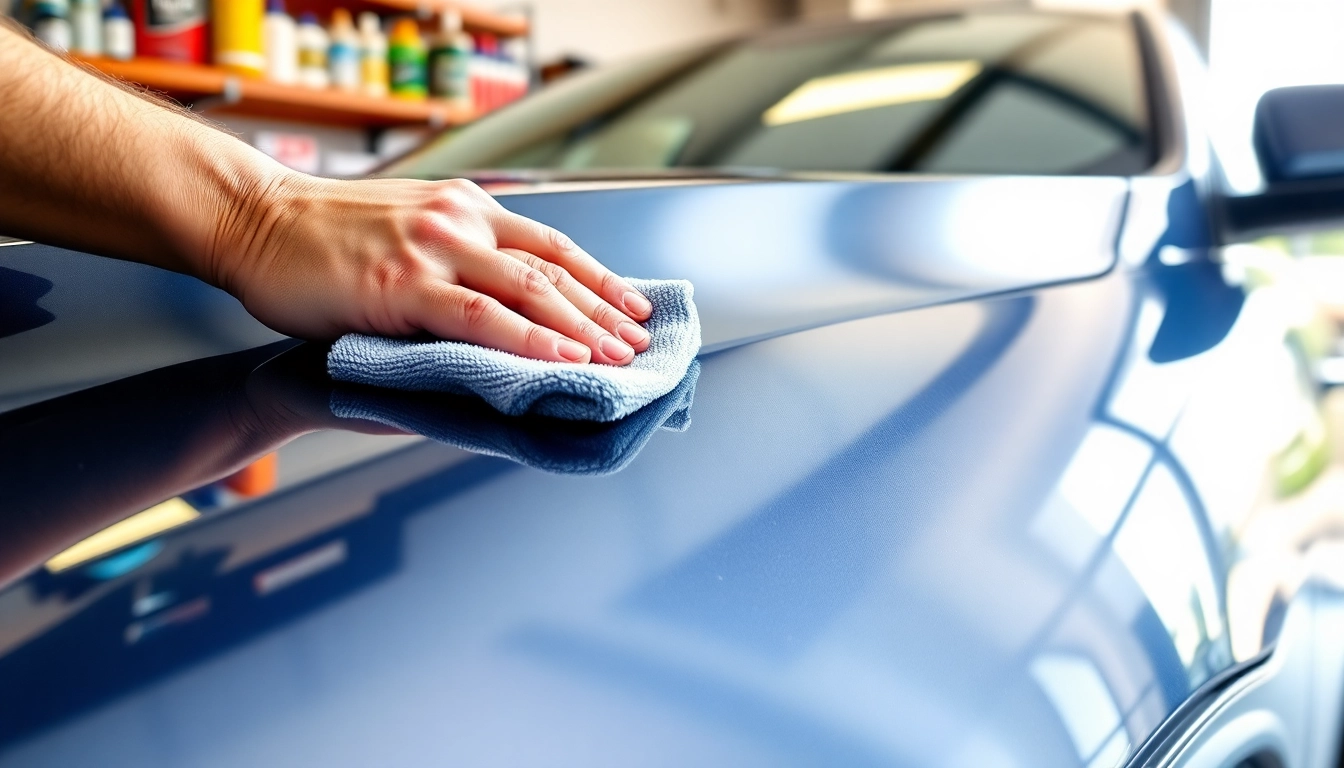
Maintaining the pristine condition of your car's paint is crucial—not just for aesthetics but also for preserving its value. One of the most frequent questions asked by car owners pertains to how to protect car paint after washing. After all, improper care can lead to irreversible damage. This comprehensive guide will delve into the significance of paint protection, effective techniques, popular products, DIY methods, and frequently asked questions, ensuring that you can keep your car looking brand new for years to come.
Understanding Car Paint Protection
Importance of Protecting Car Paint
Car paint serves as the first line of defense against various environmental factors, such as UV rays, dirt, pollutants, and even minor physical impacts. Protecting car paint is essential not only to maintain its shine and beauty but also to prevent costly repairs associated with chips, scratches, and oxidation. Besides maintaining aesthetic value, a well-protected car retains resale value much better.
Common Paint Damage Types
Understanding the types of damage that can affect your car's paint can help highlight the necessity of protection measures. Common issues include:
- Scratches: Caused by contact with abrasive materials or improper washing techniques.
- Swirl Marks: Often appear as a result of poor washing techniques or outdated cleaning tools.
- Oxidation: Caused by prolonged exposure to sunlight and can result in faded paint.
- Water Spots: Mineral deposits from water droplets that can leave unsightly marks if not dried properly.
Materials for Paint Protection
Several materials contribute to effective paint protection, including:
- Wax: A traditional favorite that forms a protective layer and enhances paint gloss.
- Sealants: Synthetic materials that provide long-lasting protection and shine.
- Ceramic Coatings: Advanced protection solutions that create a chemical bond with the paint, offering superior durability and shine.
Effective Techniques to Protect Car Paint After Washing
Basic Protection Methods: Waxing
Waxing your car is one of the simplest methods to provide a protective layer over the paint. Regular waxing creates a barrier against harmful UV rays and environmental pollutants. A good waxing routine can last several months, depending on the type of products used and weather conditions.
To maximize the benefits of waxing:
- Choose the Right Wax: Opt for high-quality car wax formulated to withstand outdoor conditions.
- Frequency: Aim to wax your vehicle every 3-4 months for optimal protection.
- Application Method: Always apply wax in a shaded area and follow manufacturer instructions for the best results.
Advanced Techniques: Sealants and Coatings
If you're looking for longer-lasting solutions beyond traditional waxing, sealants and ceramic coatings offer robust protection. Sealants, typically synthetic, provide a hard shell that lasts longer than wax. Ceramic coatings, on the other hand, bond with the car's paint at a molecular level, offering unmatched resistance to scratches, chemicals, and temperature extremes.
The following are key points for utilizing advanced techniques:
- Application: Ensure the car is clean and dry before applying; improper application can lead to incomplete bonding.
- Durability: Expect sealants to last up to six months and ceramic coatings to remain effective for 2-5 years.
- Professional Installation: Consider seeking professional help for ceramic coatings to ensure proper application.
Maintenance Routine for Lasting Protection
Even with extensive measures in place, maintenance is crucial for long-lasting paint protection. Consistent care can greatly extend the life of any protective layer. Your routine should include:
- Regular Washing: Use soft microfiber cloths and gentle cleaning solutions to avoid damaging the paint.
- Quick Detailers: After washing, using a quick detailer while the paint is still damp can enhance shine and add an extra layer of protection.
- Periodic Inspections: Regularly inspect for scratches and other damage to catch issues early before needing extensive repairs.
Popular Products for Paint Protection
Best Waxes for Everyday Use
There is a wide array of wax options available, suitable for various needs. Some recommended formulations include:
- Carnauba Wax: Renowned for its deep shine and warmth, often considered the gold standard for natural waxes.
- Montan Wax: Provides a glossy finish and enhances durability compared to traditional waxes.
- Synthetic Wax: Delivers high gloss and durability while being resistant to harsh weather conditions.
High-End Ceramic Coatings Explained
Ceramic coatings represent a significant advancement in car paint protection. Composed of advanced silica, these coatings offer unparalleled resistance to scratches, UV, and contaminants. When investing in a ceramic coating, consumers should consider:
- Durability: Many ceramic coatings offer multi-year protection with proper maintenance.
- Hydrophobic Properties: Ceramic coatings enable water to bead off, thereby repelling dirt and contaminants.
- Self-Cleaning Effect: The slick surface minimizes the adherence of dirt and grime, making maintenance easier.
Comparing Sealants and Natural Waxes
Understanding the differences between sealants and waxes helps in making an informed choice:
- Sealants: Provide longer-lasting protection typically made from synthetic polymers designed for extended durability and easier application.
- Natural Waxes: While they might provide a superior shine, they generally don’t last as long and need more frequent application.
DIY Approaches for Car Paint Protection
Home Remedies for Paint Care
Some effective home remedies can also help in maintaining your car’s paint. For example:
- Baby Shampoo: Mix with water to create a gentle car wash solution.
- Vinegar Solution: A mix of vinegar and water can help remove water spots.
Step-by-Step Waxing Process
A systematic approach to waxing ensures thorough coverage and protection:
- Wash your car thoroughly with a pH-balanced car soap and dry it completely.
- Apply wax in small sections using an applicator pad, ensuring even coverage.
- Allow the wax to haze, following the manufacturer's instructions.
- Buff the wax off with a microfiber towel, ensuring a shiny finish.
Preventative Measures Post-Wash
After washing your car, taking specific preventive actions can further ensure long-lasting protection:
- Drying: Use high-quality microfiber drying towels to prevent water spots and scratches.
- UV Protection: Park in shaded areas or use a car cover to mitigate UV damage.
- Regular Quick Detailing: Use a quick detailer to maintain shine and provide additional protection.
FAQs About Car Paint Protection
What is the best way to protect car paint after washing?
The best way to protect car paint after washing is to apply a high-quality wax or sealant, which creates a barrier against contaminants and UV rays.
How often should I wax my car?
You should wax your car every 3-4 months to maintain optimal protection and shine, depending on exposure to the elements.
Can I use household items for car paint protection?
Some household items, like baby shampoo for washing and vinegar for cleaning, can help; however, they aren’t substitutes for dedicated car care products.
Is it necessary to seal or coat my car?
While not necessary, applying a sealant or ceramic coating significantly enhances protection against environmental damage and prolongs paint life.
How to maintain a protective coat on my car?
Maintain a protective coat by washing regularly with appropriate products and applying quick detailers or wax as needed to extend their effectiveness.