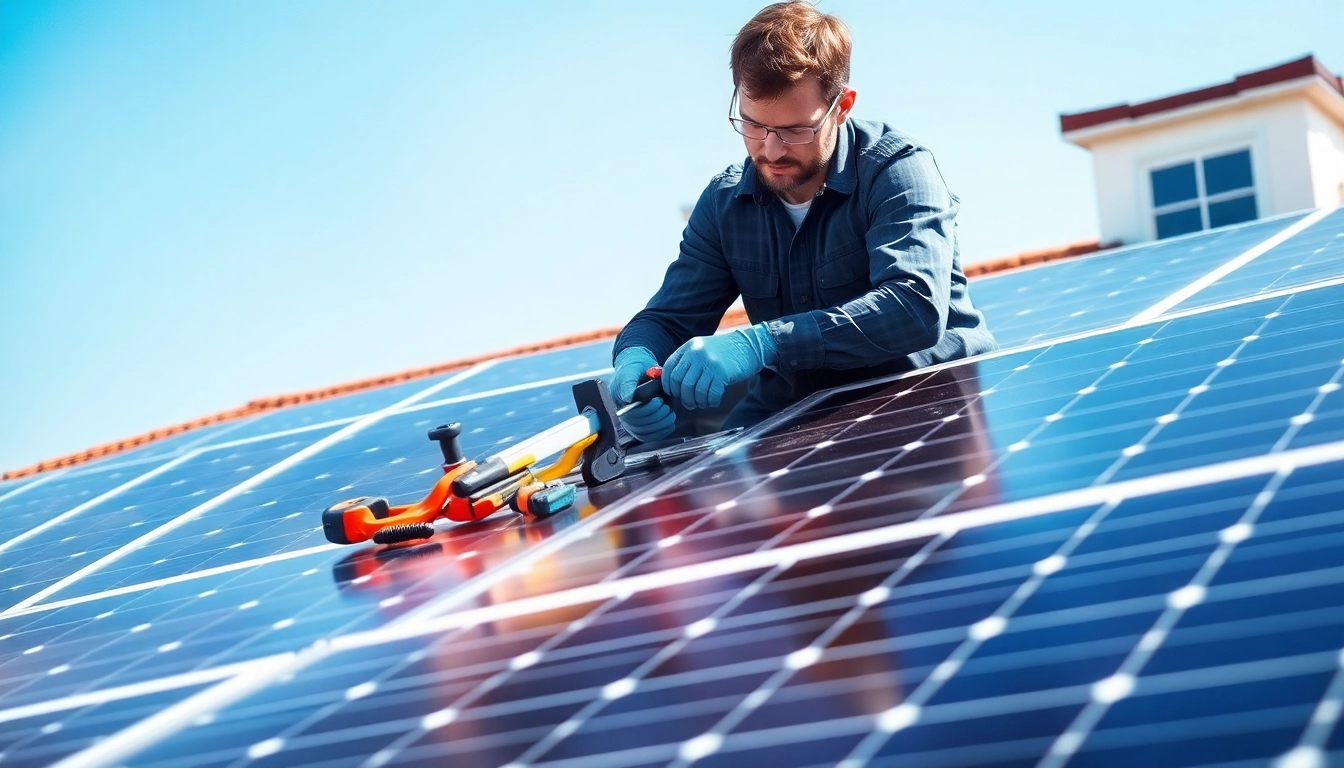
Understanding Solar Panel Repair
Solar panels are a critical investment for homeowners looking to reduce their energy costs and carbon footprint. However, like any technology, they can encounter problems over time. Understanding solar panel repair is essential for maintaining the efficiency and longevity of these systems. This article will explore what solar panel repair entails, common issues that may arise, and the importance of regular maintenance.
What is Solar Panel Repair?
Solar panel repair involves addressing issues that prevent solar panels from operating efficiently. This can range from fixing minor problems like connected wiring to addressing more significant concerns, such as replacing damaged solar cells or modules. The goal of solar panel repair is to restore functionality, thereby maximizing energy production.
Common Issues Needing Repair
Several problems can affect solar panels, each requiring a tailored approach to repair:
- Physical Damage: Cracks or breaks caused by hail, falling debris, or wear over time.
- Electrical Failures: Malfunctions in the inverter, wiring, or connections that can impede energy transfer.
- Microcracks: Small, often invisible cracks that can lead to inefficiencies and overall reduced performance.
- Inverter Issues: The inverter is essential for converting AC to DC; if it fails, the entire solar system can become non-operational.
- Dirt and Debris: Accumulation of dirt, leaves, and snow can obstruct sunlight and reduce energy production.
Importance of Regular Maintenance
Regular maintenance is vital for solar panels to operate at peak efficiency. By identifying and addressing issues early, homeowners can avoid costly repairs and extend the lifespan of their solar systems. Routine checks can also ensure compliance with warranties, maintaining the value of the investment and keeping energy costs low.
DIY vs Professional Solar Panel Repair
When issues arise with solar panels, homeowners often face the decision between attempting to fix the problem themselves or hiring a professional. Each option has its advantages and considerations.
When to Attempt DIY Repairs
Homeowners with technical know-how might consider DIY repairs for manageable tasks, such as:
- Cleaning solar panels to remove dirt and debris.
- Checking circuit connections or fuses.
- Replacing the AC or DC disconnect switches.
However, DIY is generally not recommended for significant repairs that can pose safety risks, such as repairing electrical components or replacing damaged modules.
Benefits of Professional Service
Engaging a professional solar repair service offers several benefits:
- Expertise: Professionals have specialized training and experience to diagnose and fix issues correctly.
- Safety: Working with electricity can be dangerous; professionals ensure all safety protocols are followed.
- Warranty Protection: Many warranties require professional service for repairs to remain valid.
- Time Efficiency: Professionals can often complete repairs more quickly, reducing downtime.
Cost Considerations for Repairs
The cost of solar panel repair can vary widely depending on the nature of the problem. Common cost factors include:
- The extent of damage requiring repair.
- The required expertise and time for the project.
- Replacement parts, which may vary in price based on specifications.
On average, homeowners might expect to spend $750, although this can range from $120 for minor fixes to several thousand dollars for extensive repairs.
Signs Your Solar Panels Need Repair
Being proactive about identifying issues with solar panels can lead to significant savings and energy efficiency. Here are some signs that indicate your solar panels may need repair:
Performance Indicators
Performance monitoring can reveal potential problems. If you notice a significant drop in energy output compared to previous months, it may signal an issue requiring attention. Many modern solar systems include monitoring tools that provide real-time data on energy production.
Visual Inspection Tips
Homeowners should perform regular visual inspections of their solar panels. Signs of possible damage include:
- Cracks on the surface of the panels.
- Discoloration or "hot spots" on the panels that indicate overheating.
- Flashing or wiring that appears frayed or damaged.
If any of these are observed, a professional should be consulted.
Monitoring System Alerts
Most solar energy systems come equipped with monitoring systems that send alerts when performance drops below a certain threshold. Keeping an eye on these alerts can help catch issues early, saving time and money on repairs.
Steps to Perform Basic Solar Panel Repair
If you decide to take on a minor repair task for your solar panel system, here’s a simple guide to follow:
Assessing Damage
The first step is to thoroughly assess any damage. Identify specific issues, such as physical damage to the solar module or wiring problems. Taking notes and photos can be helpful for future reference, particularly if a professional consultation is necessary afterward.
Tools Required for Repairs
Some basic tools that may be needed for minor repairs include:
- Screwdrivers for loosening and tightening connections.
- Wrenches for securing mounting systems.
- Multimeter for checking electrical output and ensuring proper current flow.
- Safety glasses and gloves for protection.
Safety Precautions to Consider
Safety should always be a top priority, particularly when working with electrical systems. Before starting any repairs, ensure that:
- The system is powered down and disconnected from the electrical grid.
- You are wearing appropriate safety gear.
- The task is within your skill level; seek professional help for any uncertainties.
Frequently Asked Questions about Solar Panel Repair
What are the most common solar panel issues?
Common issues include physical damage, inverter malfunctions, electrical failures, and microcracks that impede energy production.
How much does solar panel repair typically cost?
Repair costs can range from $120 for minor fixes up to $3,000 for major repairs, with an average cost around $750.
Is DIY repair worth the risk?
While minor tasks may be DIY-friendly, serious repairs pose safety risks and should be handled by professionals.
Can I repair solar panels in bad weather?
It's best to avoid repairs during inclement weather, especially heavy rain or snow, due to safety concerns.
How can I maintain my solar panels?
Routine cleaning and inspections help maintain efficiency. Regular performance monitoring will also indicate if repairs are needed.