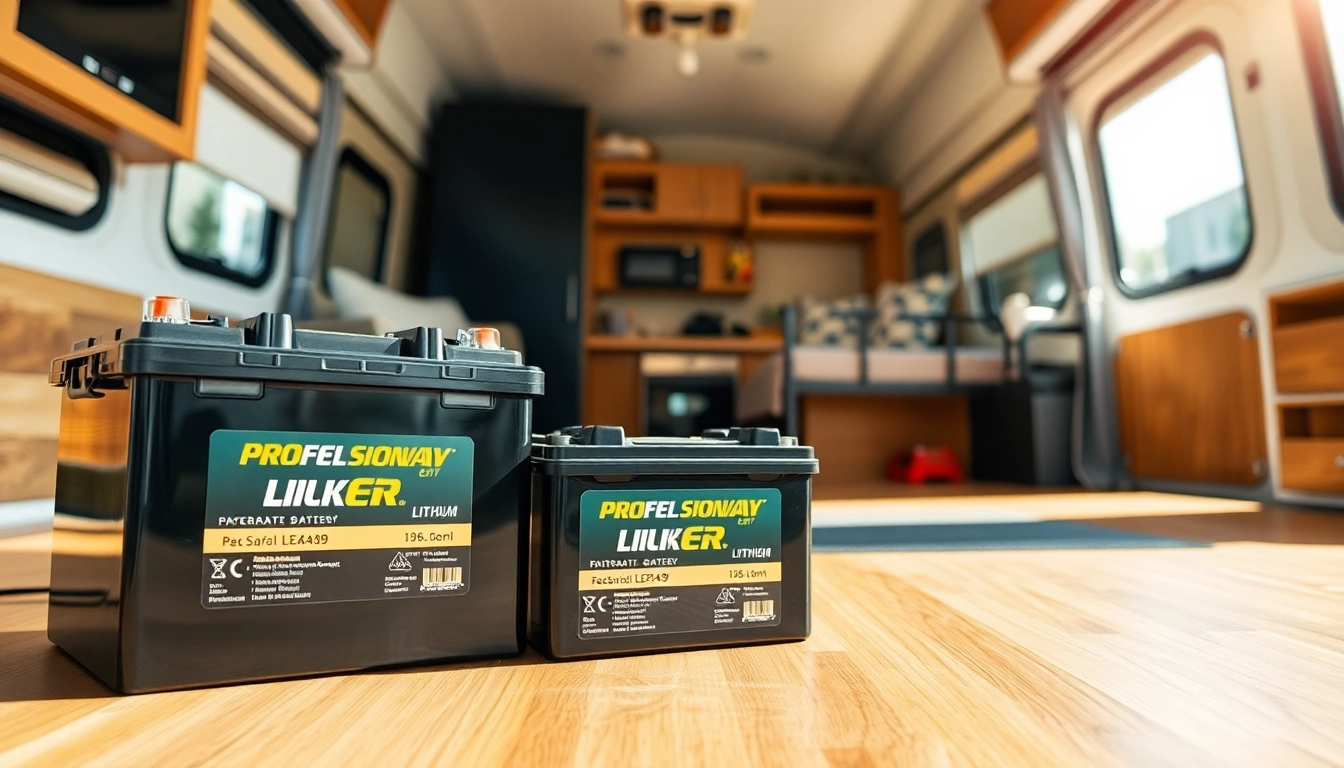
Understanding Lithium RV Batteries
The advent of technology has greatly influenced the way we power our recreational vehicles (RVs), with lithium RV batteries leading the charge. Designed for efficiency and longevity, these batteries are redefining what it means to travel with power. This article will delve into the essential aspects of lithium RV batteries, highlighting their features, benefits, and practical applications.
What Are Lithium RV Batteries?
Lithium RV batteries are rechargeable power sources specifically engineered for use in RVs and campers. Unlike traditional lead-acid batteries, which rely on chemical reactions involving lead and sulfuric acid, lithium batteries utilize lithium-ion technology, providing a more modern and efficient energy storage solution. The primary type of lithium battery used in RVs is lithium iron phosphate (LiFePO4), known for its safety and stability. This chemistry allows for deeper discharge cycles without damaging the battery, making them a reliable choice for various RV applications.
Benefits of Lithium RV Batteries
The benefits of using lithium RV batteries over conventional batteries are extensive. Below are some of the most significant advantages:
- Longer Lifespan: Lithium batteries typically last 10 years or more, while lead-acid batteries may need replacement every 2-5 years.
- Higher Capacity: They provide more usable capacity, enabling features like refrigeration, climate control, and more electrical appliances without concern for power shortages.
- Faster Charging: Lithium batteries can be charged much faster than traditional batteries, often completing a full charge in a few hours.
- Weight Efficiency: They are significantly lighter than lead-acid batteries, which is a crucial advantage in maintaining fuel efficiency in an RV.
- Low Self-Discharge Rate: Lithium batteries maintain their charge for longer periods, making them ideal for seasonal use and extended periods without access to recharging.
Key Features to Look For
When considering a lithium RV battery, it’s essential to assess specific features that align with your travel needs:
- Battery Management System (BMS): Ensure your battery comes with a quality BMS to regulate charging and discharging, preventing overload and extending lifespan.
- Energy Density: Look for batteries with high energy density for more power in a compact size.
- Cycle Life: Evaluate the expected number of charge and discharge cycles to determine how long the battery will serve your needs.
- Warranty: A longer warranty period typically indicates manufacturer confidence in their product’s durability and performance.
Comparing Lithium RV Batteries to Lead-Acid
Understanding the distinctions between Vatrer Power lithium RV batteries and traditional lead-acid batteries is crucial for making an informed purchasing decision. Here’s how they stack up against each other:
Cost Implications
Initially, 12V 300Ah Lithium Battery tend to be more expensive than lead-acid options. However, the long-term costs can favor lithium due to their prolonged lifespan and greater usable capacity. Frequent RVers might find that the return on investment (ROI) with lithium batteries compensates for the higher upfront costs.
Performance Factors
In performance metrics, lithium batteries outshine their lead-acid counterparts. Lithium batteries experience minimal voltage drops under load, ensuring consistent power delivery. They can also discharge up to 80-90% of their capacity without damage, while lead-acid batteries should typically only be discharged down to 50% to avoid reduced lifespan.
Weight and Space Advantages
Weight and space efficiency are critical in RVing, and lithium RV batteries excel in this area. They are approximately 50% lighter than equivalent lead-acid batteries, which can significantly enhance vehicle handling and fuel efficiency. Their compact design also allows for more flexible installation options in limited spaces.
Choosing the Right Lithium RV Battery
Selecting the appropriate lithium RV battery requires a thoughtful approach. Several factors must be considered to ensure compatibility and performance:
Volt and Amp Capacity Explained
The voltage rating (12V, 24V, or 48V) determines how much power the battery can provide to your RV system and appliances. Amp hour (Ah) capacity indicates how long the battery can deliver power. A higher Ah rating means more energy storage, suitable for users who rely on multiple power-hungry devices. Calculate your energy needs based on appliance wattage and usage duration to choose a battery that meets those requirements.
Common Applications for RVs
Lithium RV batteries are ideal for various applications, including:
- Lighting and electrical systems
- Refrigerators and freezers
- Water pumps and HVAC systems
- Power for laptop and electronic devices
Identifying your specific power needs will guide you in selecting a battery tailored to your RV usage.
Installation Considerations
When installing lithium batteries, it’s essential to ensure compatibility with your existing RV electrical system. Engage a professional electrician if you are unfamiliar with battery installation as improper connections can lead to system failures or battery damage. Additionally, consider the placement, ensuring it is well-ventilated and insulated to enhance safety and performance.
Maintaining Your Lithium RV Batteries
Maintaining your lithium RV battery can significantly extend its life and performance. Here are some essential maintenance tips:
General Maintenance Tips
While lithium batteries generally require less maintenance than lead-acid batteries, regular checks will help keep them in good condition. Check battery connections for tightness and corrosion at least twice a year. Keep the battery clean, and ensure venting slots (if applicable) are unblocked.
Extending Lifespan and Efficiency
To maximize the lifespan of your battery, avoid excessive discharging and charge the battery before it drops below 20% capacity. Also, avoid exposing the battery to extreme temperatures, as both high and low temperatures can affect its ability to hold a charge efficiently.
Understanding Charging Cycles
The charging cycle for a lithium RV battery is straightforward compared to lead-acid batteries. Once plugged in, the battery will typically recharge in a few hours thanks to faster absorption rates. Using a compatible charger designed for lithium batteries is crucial; improper charging could lead to unsafe conditions.
FAQs About Lithium RV Batteries
Are lithium batteries worth it for an RV?
Yes, for frequent travelers and boondockers, lithium batteries provide a longer lifespan and greater efficiency, making them more cost-effective in the long run.
How long will my battery last?
A well-maintained lithium RV battery can last upwards of 10 years, depending on usage and charging practices.
What is the ideal charging method?
Using a lithium-compatible charger is crucial. A smart charger can optimize the battery’s charge cycle and prolong its lifespan.
Can I use lithium batteries for solar applications?
Yes, lithium RV batteries are excellent for solar applications, as they can store energy harvested from solar panels for use during off-grid trips.
How do I monitor battery health?
Utilizing a battery management system (BMS) will help monitor voltage and temperature levels, ensuring optimal performance and safety.