Understanding Cherry Picker Basics
What is a Cherry Picker?
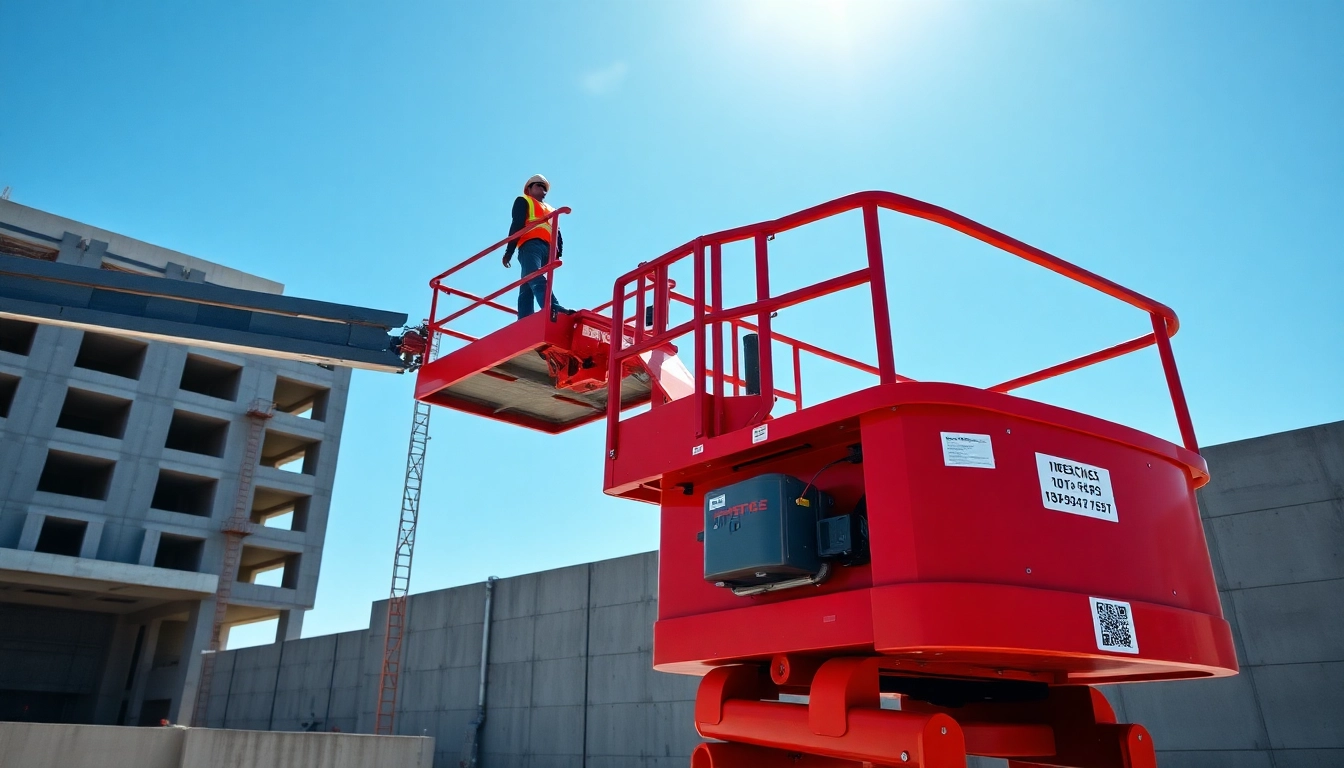
A cherry picker is a type of aerial work platform designed to elevate personnel and tools to elevated or hard-to-reach areas. Often referred to as a boom lift, bucket truck, or elevating work platform, it consists of a platform or bucket that is attached to a hydraulic lifting system. This versatile piece of equipment is prevalent across various industries, including construction, maintenance, and transportation, where tasks require working at significant heights.
How Cherry Pickers Work
The mechanism of a cherry picker involves hydraulic systems that allow the platform to rise and lower, providing safe access to heights. At the base, the structure is typically equipped with stabilizers to ensure safety during operation. The operator controls the cherry picker from the ground or the platform, adjusting its height and position to complete tasks efficiently. This hydraulic lifting capability makes it possible to reach heights ranging from 20 feet to over 100 feet, depending on the model.
Types of Cherry Pickers
Cherry pickers come in several types, each tailored to specific needs and environments:
- Self-Propelled Cherry Pickers: These can be driven to the worksite and operated independently, offering flexibility and portability.
- Towable Cherry Pickers: They require a vehicle for transport and are often more economical, making them ideal for infrequent use or smaller jobs.
- Articulating Boom Lifts: These cherry pickers can reach up and over obstacles, making them ideal for complex work sites.
- Scissor Lifts: While not traditional cherry pickers, scissor lifts provide stable platforms for elevated work and are known for their vertical reach.
Benefits of Using a Cherry Picker
Enhanced Safety Features
Safety is paramount in any work environment, especially when operating at heights. Cherry pickers come equipped with several safety features, including harness points, emergency lowering systems, and stabilizers. These elements reduce the risk of accidents, allowing workers to perform tasks with confidence. Regular maintenance and adherence to safety protocols further enhance their operational safety.
Increased Efficiency for Elevated Tasks
Using a cherry picker increases productivity by enabling quick and efficient access to high areas. Whether changing light bulbs, painting buildings, or performing maintenance tasks, cherry pickers allow workers to complete jobs faster than traditional ladders or scaffolding. This is particularly beneficial in urban settings where time is money, and disruptions must be minimized.
Cost-Effectiveness in Projects
Incorporating a cherry picker into operations can lead to substantial cost savings. The efficiency gains reduce labor hours, and the initial investment may be offset by lower overall project costs. For businesses hesitant to purchase, rental options allow access to the latest models without the financial burden of ownership. This flexibility allows companies to manage budgets effectively while fulfilling project requirements.
Choosing the Right Cherry Picker
Factors to Consider When Selecting
When selecting a cherry picker, businesses must consider several factors to ensure they choose the right model for their specific needs:
- Working Height: Determine the maximum height you will need to reach and select a cherry picker that exceeds this requirement.
- Weight Capacity: Evaluate the weight of personnel and tools intended to be used on the platform to ensure the cherry picker's weight limit is adequate.
- Mobility: Consider the environment where the cherry picker will be used. If maneuverability is essential, opt for self-propelled models.
- Power Source: Cherry pickers may run on diesel, electricity, or battery. Choose a power source based on the work environment, such as indoors or outdoors.
Comparing Different Models
Each brand and model of cherry picker can differ significantly in capacity, reach, and features. It’s advisable to compile a comparison chart that includes:
- The maximum working height of each model.
- Weight capacity and platform size.
- Transportation needs, such as towable vs. self-propelled.
- Cost considerations, both for rental and purchase.
Reading user reviews and case studies can provide insights into performance and reliability, further informing your selection process.
Rental vs. Purchase Decisions
The choice between renting and purchasing a cherry picker often depends on the frequency of use and project needs. For businesses only needing occasional access to a cherry picker, renting may be more cost-effective. Conversely, for companies with ongoing projects that require regular elevation, purchasing a cherry picker might provide savings and convenience over time. It’s essential to analyze your usage patterns and budget to make an informed decision.
Operating Cherry Pickers Safely
Pre-Operation Safety Checks
Before operating a cherry picker, conduct thorough pre-operational checks to ensure it is safe to use. This should include:
- Inspecting the hydraulic functions and brakes.
- Checking for any physical damage to the platform or boom.
- Ensuring that safety features, like harness points, are functional.
Documenting these checks promotes accountability and supports maintenance records.
Training Requirements for Operators
Proper training is essential for all operators of cherry pickers. Training should cover:
- Understanding how to operate the controls.
- Safety guidelines for working at heights.
- Emergency procedures, including how to handle a power failure.
Training certification can enhance both safety and operational competency, which is often mandated by industry regulations.
Best Practices During Operation
To ensure safe operation of a cherry picker, follow these best practices:
- Always wear a helmet and safety harness while on the platform.
- Use the cherry picker on stable, level ground to prevent tipping.
- Be aware of overhead hazards, including power lines.
- Do not exceed the weight limits of the cherry picker.
Implementing these practices can significantly reduce risks associated with elevated work.
FAQs About Cherry Pickers
How high can a cherry picker reach?
Cherry pickers can typically reach heights ranging from 20 to over 100 feet, depending on the model and specifications.
What are the weight limits of a cherry picker?
Weight limits for cherry pickers vary, usually ranging from 300 to 1,000 pounds, including personnel and equipment.
Can cherry pickers be used in inclement weather?
Cherry pickers should not be used in high winds or severe weather conditions due to safety risks, including instability and reduced visibility.
Is operator training mandatory for cherry picker use?
Yes, operator training is mandatory and crucial for safe operation, and it usually includes both classroom and hands-on training sessions.
What maintenance is required for cherry pickers?
Regular maintenance includes checking hydraulic systems, inspecting safety features, and performing routine inspections based on manufacturer guidelines to ensure optimal performance.