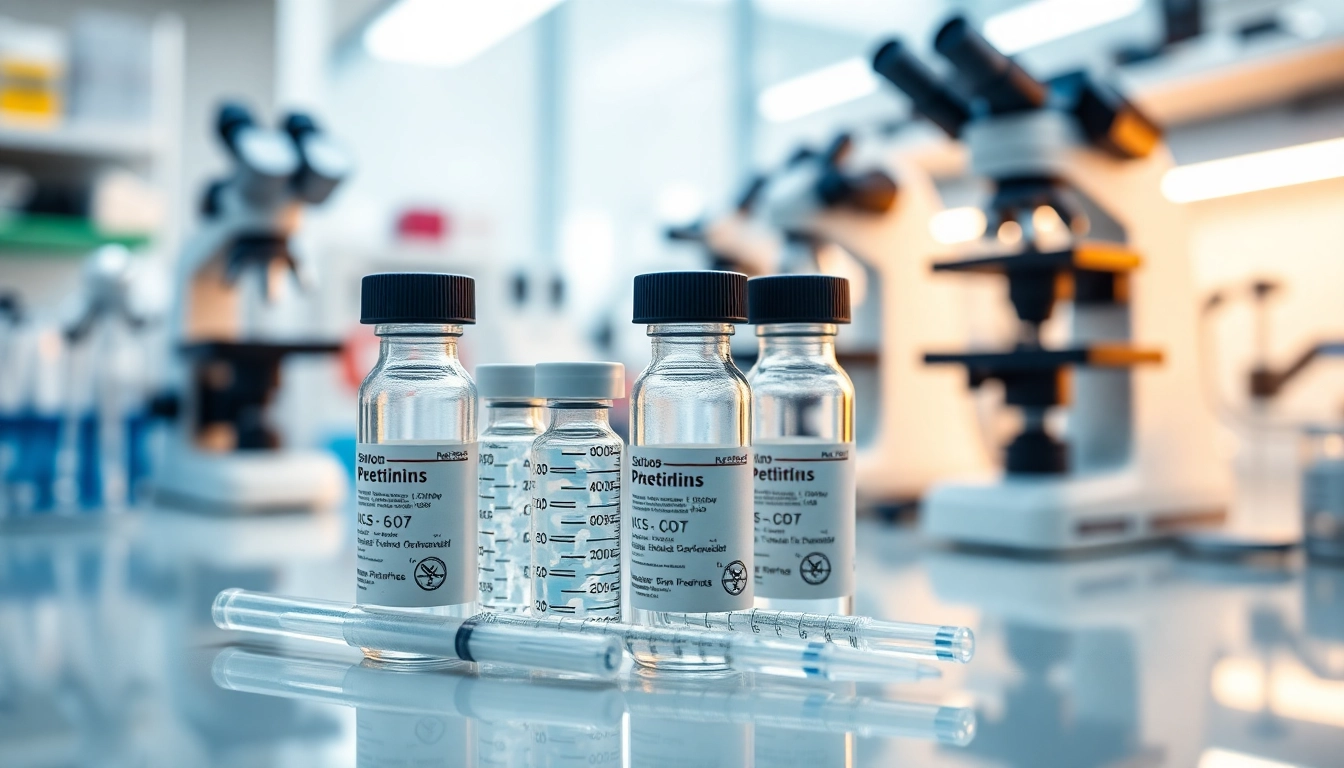
The Importance of Peptide Pricing
Why Understanding Costs Matters
Understanding the costs associated with peptides is crucial for researchers and businesses alike. The investment in peptides can vary significantly depending on multiple factors, and grasping these nuances can aid in budgeting, compliance, and maximizing research outcomes. Accurately assessing peptide pricing not only supports operational decisions but also aligns financial strategies for innovation. By comprehensively understanding how much do peptides cost, researchers can ensure they're making informed choices, optimizing spendings without compromising quality.
Factors Influencing Peptide Prices
The price of peptides is shaped by various factors that include their purity, complexity, and the manufacturing process involved. Other significant considerations include:
- Raw Materials: The source of amino acids and other chemicals can affect pricing as quality raw materials tend to be more expensive.
- Production Scale: Manufacturing peptides on a smaller scale typically incurs higher per-unit costs compared to larger batch sizes.
- Supplier Reputation: Established suppliers with a proven track record for quality and service often charge a premium.
- Market Demand: Fluctuations in demand can lead to price variations; increased interest in peptides for therapeutic applications can drive costs upward.
Comparison with Other Research Materials
When comparing peptide pricing with other research materials, it’s essential to consider the lifecycle of the product. Peptides can be more specialized than routine lab chemicals, leading to increased investment for research purposes. Unlike traditional reagents, peptides often require more sophisticated handling and processing, which is reflected in their pricing. Furthermore, the high costs associated with research and development in peptide synthesis contribute to higher market prices. Understanding this can help in evaluating the overall value of investing in peptide research.
Types of Peptides and Their Costs
Common Research Peptides
Common research peptides, such as GHRP-6 (Growth Hormone Releasing Peptide) and CJC-1295, demonstrate significant variations in pricing based on purity and the specifics of synthesis. Generally, the costs associated with these common peptides range widely from $20 to $300. These figures can fluctuate depending on factors such as supplier location, production methods, and other logistical elements.
Variations in Pricing Based on Purity
Purity plays a pivotal role in determining peptide costs. Typically, higher purity levels come with a heftier price tag. For instance, peptides of 95% purity may cost significantly more than those at 85%. The implications of purity extend beyond cost—higher purity is often essential for specific applications to prevent adverse reactions in biological testing. For high-stakes research, investing in the purest form can be justified to ensure data integrity.
Specialized Peptides and Their Investment
Specialized peptides, such as those designed for specific therapies or research purposes, can command even higher prices due to their unique properties and intricate synthesis processes. These peptides often require custom synthesis and extensive validation before use, increasing their overall cost. The investment in specialized peptides can be significant but often pays off in terms of the insights and advancements they contribute to scientific endeavors.
Regulatory and Quality Considerations
Impact of Regulations on Costs
Regulatory compliance is a crucial component in peptide pricing. Stringent regulations surrounding the manufacturing and distribution of peptides require companies to implement quality assurance processes that can increase production costs. Ensuring compliance with regional and international safety standards can lead to additional overheads, which are typically passed on to the consumer. Researchers must factor these potential costs into their budgeting to avoid unexpected expenses.
Quality Assurance Processes
Quality assurance (QA) processes play a significant role in determining the price of peptides. Suppliers often invest heavily in QA to ensure that their products meet strict purity and efficacy standards. The implementation of QA protocols can add to production costs, ultimately affecting the price point consumers observe. Understanding these processes can provide insights into whether the higher cost reflects a genuine quality advantage.
Supplier Credentials and Their Cost
The credentials of suppliers can significantly influence peptide pricing. Reputable suppliers who maintain high-quality standards and are compliant with regulatory bodies often charge more than lesser-known brands. However, investing in these trusted suppliers can save researchers time, funding, and potential frustrations in the long run, as quality is assured. It's beneficial for researchers to weigh the costs against expected outcomes when selecting suppliers.
Cost Optimization Strategies
Bulk Purchasing for Savings
One effective strategy for lowering peptide costs is bulk purchasing. By buying larger quantities, businesses and labs can often negotiate better rates with suppliers. This approach not only reduces the per-unit cost but can also minimize shipping fees and other logistical expenses. However, researchers should ensure they have the resources and capacity to store and utilize bulk orders effectively to avoid waste.
Evaluating Supplier Options
When it comes to peptide procurement, evaluating supplier options is critical. Comparing pricing, quality, and service levels among different suppliers can reveal opportunities for cost savings. Additionally, reaching out for quotes or samples can provide insight into a supplier’s responsiveness and reliability, enabling more informed purchasing decisions while maintaining quality.
Long-term vs. Short-term Investments
Research teams should consider whether they are making long-term or short-term investments when purchasing peptides. While initial costs may appear high for high-purity or specialized peptides, these investments often yield better data quality and research results, justifying the expenditure. On the other hand, cheaper alternatives may lead to complications or unreliable results, ultimately costing more in the long run. Balancing initial costs against potential outcomes can guide better strategic decisions.
Future Trends in Peptide Pricing
Market Demand and Its Effects
The demand for peptides, particularly in biotechnology and pharma, is projected to continue rising. This growing interest could lead to increased prices, especially for innovative peptides tied to breakthrough therapies. Researchers should stay updated on market trends and anticipate how demand fluctuations may impact peptide pricing. Understanding these dynamics can enable proactive budget management and strategic planning.
Technological Advances and Their Impact
As technology advances, the process of peptide synthesis and purification is becoming more efficient. These innovations may lead to reduced production costs, potentially stabilizing or even decreasing peptide prices over time. Keeping an eye on technological developments can provide researchers with opportunities for cost savings and alternative procurement strategies that leverage new methodologies.
Predictions for the Next Decade
Looking into the next decade, one can anticipate changes in peptide pricing driven by increasing competition and advancements in production techniques. Greater access to peptide synthesis technology among suppliers may result in a more competitive marketplace, which could mitigate soaring costs. However, researchers must remain vigilant in ensuring that quality does not fall by the wayside as costs evolve.
FAQs:
What are the average costs of common peptides?
The average cost varies widely, typically ranging from $20 to $300 depending on purity and supplier.
Are higher-priced peptides always better?
Not necessarily. Purity and intended use are vital; always consider quality over price.
How can I get discounts on peptide purchases?
Bulk buying and long-term contracts can often yield discounts from suppliers.
What factors affect peptide pricing?
Pricing can be influenced by purity, supplier reputation, market demand, and regulatory factors.
Is peptide pricing stable over time?
No, pricing can fluctuate based on supply chain issues, demand spikes, and research advancements.