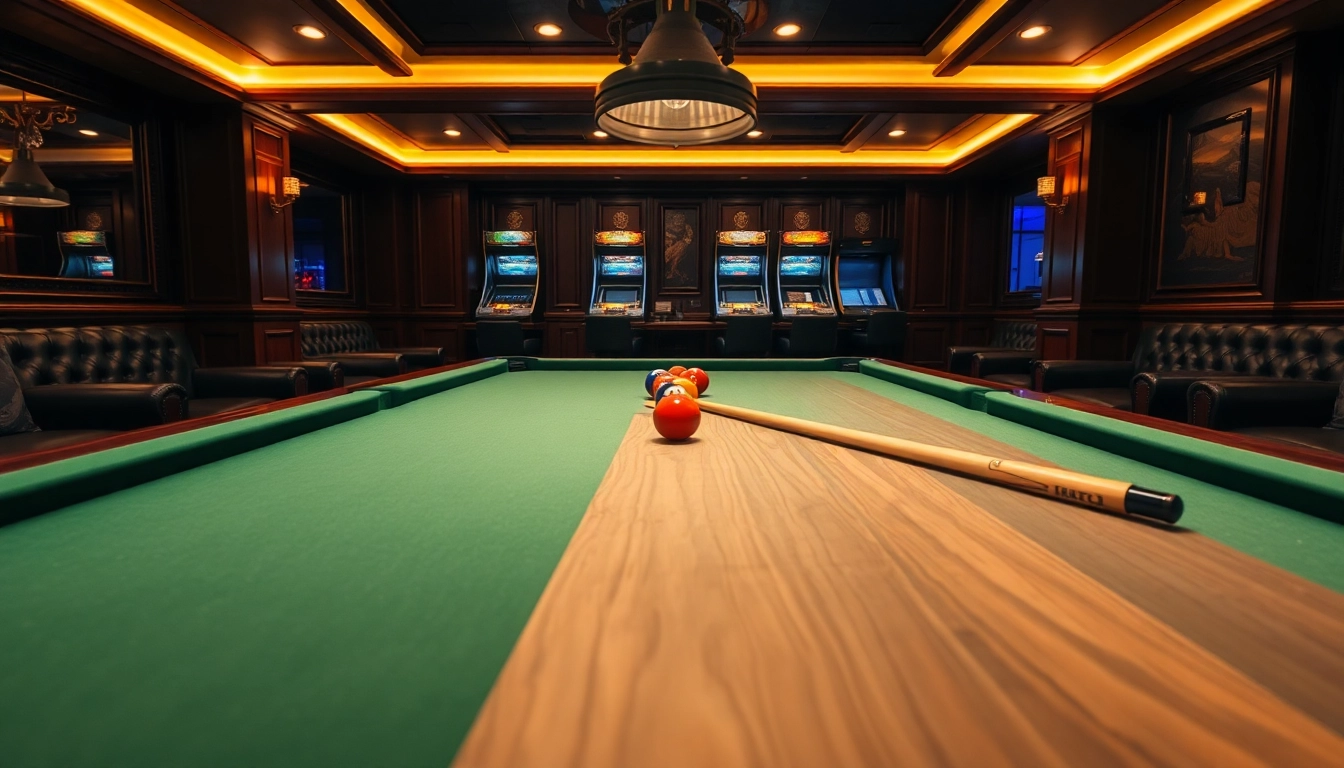
Understanding the Different Types of Pool Tables
When deciding to Buy Pool Tables, one of the first considerations is the type of table to choose. Different types cater to various play styles and aesthetic preferences, ensuring there's something for everyone. Understanding the most common types of pool tables will help you make a more informed decision based on your requirements.
Choosing Between Slate and Wood Construction
The construction material of a pool table significantly affects its playability and durability. Slate tables, often considered the gold standard, provide a smooth, stable playing surface, crucial for serious gameplay. They are made from natural stone and can be very heavy, often requiring professional installation. In contrast, wood tables are more common for casual play. They are typically lighter and easier to move, making them suitable for small game rooms or areas where space is limited.
While wood tables can be beautiful and fit various decor styles, they may not offer the same level of playability as slate tables. For instance, wood may warp over time, affecting gameplay. Slate remains constant over time and provides a better experience for competitive play. Thus, it's essential to weigh the benefits of a slate versus a wood table based on your game-playing needs.
Regulation Sizes Explained
Another critical factor in your purchasing decision is the size of the pool table. Standard sizes include 7-foot (bar size), 8-foot (professional size), and 9-foot (tournament size). Each size serves different gameplay types and spatial needs. A regulation 8-foot table is often recommended for home use due to its balance between recreational play and a competitive feel. If you have ample space, a 9-foot table can provide an authentic competitive experience, while a 7-foot table is ideal for limited spaces.
While size might seem like a straightforward choice, it’s essential to consider the playing space around the table. Ideally, you should have at least 5 feet of clearance around all sides of the table to ensure players can use their cues comfortably. Assess your available space before committing to a particular size to ensure an optimal playing environment.
Specialty Tables for All Game Types
In addition to the traditional 8-foot and 9-foot tables, there are also specialty tables designed for specific games, including snooker and Italian billiards. These tables often feature different dimensions, specific pocket sizes, and varied playing surface textures that cater to the unique mechanics of each game. If you're an enthusiast of a particular style or game, specializing in that table can enhance your playing experience.
For families or game rooms serving multiple purposes, there are also versatile tables that convert between billiards, pool, and other games like air hockey or table tennis. These multi-game tables can be an excellent investment for households wanting to cater to a variety of gaming preferences without sacrificing space. Think about what you'll use the table for most often before making any decisions.
Top Features to Consider When You Buy Pool Tables
Choosing the right pool table involves more than just size and material. You'll also want to explore features that can affect both playability and aesthetics. Below are some critical aspects to consider.
Playability: The Impact of Felt and Rails
The felt, or cloth, that covers the table plays a significant role in how the game is experienced. Different types of felt can influence speed and ball movement. For instance, woolen felt is common in residential tables, providing a casual play experience, whereas worsted wool felt is smoother and often found on commercial tables, offering a faster game.
Rails, or the sides of the table that hold the pockets, are also crucial in determining the bounce of the balls. K66 cushion rails are known for their responsiveness and are widely regarded by players. Ensure that both the felt and rail materials meet your expectations for a satisfying playing experience.
Design Styles: Modern vs. Traditional Aesthetics
The visual appeal of a pool table often influences buyer decisions. Tables come in various styles, accommodating both traditional and contemporary aesthetics. Traditional tables might feature ornate designs and dark wood finishes that evoke a classic vibe, perfect for rustic or vintage themes. In contrast, modern tables typically boast cleaner lines, lighter finishes, and sleek materials like metal and glass, making them ideal for contemporary spaces.
Match the style of the pool table with your existing decor to ensure it complements your environment. A well-chosen table can become a centerpiece in your game room or entertainment area, adding a unique touch that enhances overall design.
Customization Options for Individual Preferences
Many retailers now offer a range of customization options for pool tables. This can include everything from selecting the finish and cloth color to adding personalized touches such as custom engravings or specific leg styles. Customization not only allows you to tailor the table to your taste but also can be an opportunity to integrate personal branding or family insignia.
When seeking a customized pool table, ensure that the retailer has a track record of quality craftsmanship. Investing in a table that reflects your personality and complements your living space can make all the difference in your experience as a player and a host.
Budgeting for Your Pool Table Purchase
Understanding your budget and what you’re willing to invest in a pool table is critical to making the right choice. Prices can vary significantly based on materials, brand reputation, and additional features. Below are some factors affecting pricing.
Understanding Pricing Tiers
Pool tables generally fall into three pricing tiers: entry-level, mid-range, and high-end. Entry-level tables, typically made from synthetic materials, can range from a few hundred to a thousand dollars. These are suitable for casual play but might not hold up over time under regular use.
Mid-range tables (approximately $1,000 to $3,000) often boast better materials such as better-quality wood and slate surfaces, making them a good choice for serious players. High-end tables, priced over $3,000, feature premium materials, customizable options, and superior craftsmanship. Such tables can last a lifetime and are often seen in professional settings.
Assessing Quality Versus Cost
It's important to find a balance between quality and cost. Investing a bit more upfront can lead to better playability and longevity. When assessing a potential purchase, consider the table's construction, the materials used, and the brand reputation. Pay attention to reviews and feedback from other customers to ensure the table you choose meets industry standards.
Additionally, consider potential resale value. High-quality tables retain their value better than lower-tier counterparts, making them a more investment-worthy option. Think of your pool table as a long-term asset rather than just an immediate purchase.
Where to Look for Deals
Finding a good deal on a pool table is often a matter of timing and research. Seasonal sales, clearance events, and end-of-line discounts can all offer savings. Checking online marketplaces, showroom sales, and local retailers can provide options at various price points. Additionally, don't overlook the potential value in purchasing used tables. Just ensure you carefully inspect the condition before making any commitments.
Before purchasing, it's wise to create a list of features that matter to you, and compare prices across various platforms. This way, you can weigh the pros and cons of each option based on your budget, ensuring that you get the best value for your investment.
Installation and Maintenance Tips for Longevity
After investing in a pool table, proper installation and maintenance are crucial for ensuring longevity. Here are some best practices to follow for keeping your table in top condition.
Best Practices for Setup
Many pool tables require professional installation, especially slate tables, which need precise leveling for optimal play. If you choose to assemble one yourself, ensure that all bolts and screws are tightened and that the table stands level—check this by using a standard level tool. Allow for proper clearances around the table to facilitate smooth gameplay.
During installation, the felt should be installed tightly without wrinkles to ensure a seamless playing surface. Taking care during setup can help prevent issues down the line and ensures that your pool table performs well right from the start.
Routine Maintenance Tasks You Shouldn’t Ignore
Routine maintenance is integral to prolonging the lifespan of your pool table. This includes regular cleaning of the felt with a vacuum or a soft brush to remove dust and debris. Ensure that wood surfaces are wiped down with a microfiber cloth periodically to prevent scratches and wear. Additionally, inspecting the pockets and rails regularly for wear and tear will allow you to address minor issues before they become major repairs.
Replacement of felt occurs typically every 3 to 5 years, based on usage. Frequent games might necessitate more regular refelting, while a table used sparingly may last longer before requiring this maintenance. If playing conditions fluctuate, be proactive about checks to keep your table in peak condition.
How Climate Affects Your Pool Table
Climate can significantly impact the materials used in pool tables. High humidity can warp wooden components and adversely affect felt quality, while extreme dryness might crack wooden surfaces. Ideally, keep your pool table in a climate-controlled environment, maintaining a stable temperature and humidity level.
If your area experiences significant seasonal changes, consider investing in a protective cover when the table is not in use. This can shield it from dust, humidity, and temperature fluctuations that can detrimentally affect the wood. Proper placement away from heating vents or direct sunlight is also advisable to prevent warping and fading.
Frequently Asked Questions About Buying Pool Tables
Should I buy a 7 or 8 foot pool table?
8-foot tables are considered 'professional' size, while 7-foot tables are 'bar' size. Most buyers prefer 8-foot for a better experience.
What component affects the cost most?
The quality of materials, such as slate and felt, alongside craftsmanship, significantly impacts price. High-quality materials lead to better longevity and playability.
Are used pool tables worth buying?
Used tables can be an excellent value if in good condition. Always inspect for damage to the playing surface and overall stability before purchasing.
How often should I refelt my pool table?
Refelting is recommended every 3-5 years, depending on usage. Regular maintenance can extend its life and performance significantly.
What accessories should I buy with my pool table?
Essential accessories include cue sticks, a triangle rack, chalk, a cover, and perhaps additional balls for versatility in games.