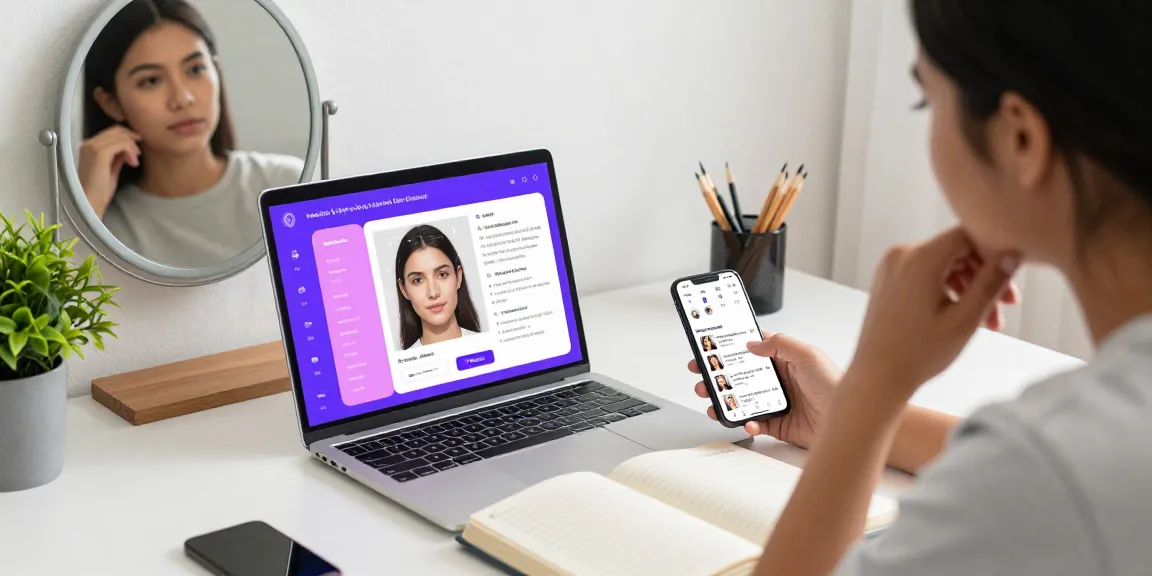
Understanding Age Estimation Technology
The concept of determining how old one appears is not just a superficial curiosity; it delves deep into the intersection of technology, psychology, and societal norms. The rise of age estimation tools, particularly those leveraging artificial intelligence (AI), has made this exploration more accessible than ever. In today's digital landscape, understanding how these tools operate is crucial for anyone intrigued by the query, how old do I look, and contemplating the implications of the results produced by such technologies.
What is the "How Old Do I Look" Technology?
At its core, the "How Old Do I Look" technology uses machine learning algorithms to analyze facial features in photographs. This technology has evolved significantly, incorporating vast datasets of facial images that allow algorithms to make educated guesses about a person's age based on the visible signs of aging. Elements such as skin texture, wrinkles, and facial structure are scrutinized to deliver an estimated age.
How AI Analyzes Facial Features for Age Calculation
The process begins with image input, where users upload a photo of themselves. The AI model, trained on a diverse array of images, compares the submitted photo against its database, identifying characteristic features of aging. For instance, the prominence of crow's feet or skin elasticity can provide key indicators. As AI technology continues to advance, these algorithms become increasingly sophisticated, often producing results that users find surprising and engaging.
Privacy Considerations in Age Estimation Tools
As with any technology that involves personal data, privacy concerns are paramount. The collection and storage of facial images raise significant ethical questions. Users must be assured that their data is handled securely and that their images are not stored or used beyond the immediate purpose of age estimation. Transparency about data practices is essential for building trust in these technologies.
Popular Age Estimation Platforms
With the growing interest in age estimation technology, numerous platforms have emerged, each offering distinct features and user experiences. From mobile applications to websites, the options are plentiful. Understanding these platforms can help users choose the right tool for their needs, enhancing their exploration of how old they truly look.
Comparing Leading Applications for Age Estimation
Some of the most popular applications in this space include FaceAge.ai, Fotor, and various mobile applications that provide instant age estimates through facial recognition technology. Each platform presents unique features; for instance, FaceAge.ai focuses on speed and accuracy, while Fotor emphasizes user-friendliness and accessibility. Users may want to consider the app's interface, additional features, and user reviews when making their choice.
User Experiences Across Different Platforms
User experiences can vary significantly across age estimation tools. Some users report satisfaction with the accuracy of the results, while others express skepticism regarding the algorithms' capabilities. Reviews and testimonials play a crucial role in shaping public perception, as new users weigh the credibility and reliability of these technologies before engaging with them.
Analyzing Accuracy: What Users Should Expect
While many AI-driven age estimation tools boast impressive accuracy, users should approach the results with a critical eye. Factors such as lighting, angles, and skin conditions can affect outcomes. Understanding these limitations will help users maintain realistic expectations regarding the age estimates they receive, promoting a more thoughtful interaction with these technologies.
Trends in Age Perception and Beauty Standards
The dialogue surrounding age estimation is closely linked with broader societal attitudes towards aging and beauty. As technology becomes more integrated into our lives, the way we perceive age continues to shift, influencing personal self-esteem and societal norms alike.
How Culture Influences Perceptions of Age
Cultural influences play a significant role in shaping how we view age. In some societies, youth is celebrated and often linked to beauty and vitality, while in others, age is associated with wisdom and respect. These cultural narratives can directly impact the usage and acceptance of age estimation technologies, as individuals grapple with their self-image influenced by societal expectations.
Shifting Beauty Standards and Their Impact
As beauty standards evolve, so does the perception of age. The rise of skincare and anti-aging products is indicative of a market that caters to a beauty ideal that values youthfulness. Age estimation tools often feed into this narrative by reinforcing the societal pressure to look younger than one’s biological age.
Age and Self-Image: Psychological Insights
The intersection between age perception and self-image is profound. Research shows that individuals who perceive themselves as younger tend to experience higher levels of self-esteem and satisfaction in their lives. Conversely, confronting a perceived age that is older than one's actual age may lead to negative self-assessment and psychological distress.
Practical Applications of Age Estimation Tools
The utilization of age estimation tools extends beyond personal curiosity; they have significant implications in various industries, including marketing, social media, and even healthcare.
Using Age Estimation for Marketing and Branding
Brands are increasingly adopting age estimation technology for targeted marketing. By analyzing customer demographics based on visible age, businesses can tailor their products and marketing strategies to better appeal to their audiences. This application allows companies to engage more effectively with their target market, enhancing customer satisfaction and loyalty.
Age Estimation in Social Media Contexts
Social media platforms have harnessed age estimation technologies to create interactive and engaging user experiences. Filters that estimate age not only entertain users but also invite them to reflect on societal perceptions of aging. This gamification of self-exploration can increase user engagement and provide valuable insights into the evolving standards of beauty.
Innovative Uses in the Medical and Cosmetic Industries
In the medical and cosmetic industries, age estimation tools can play a pivotal role. For healthcare professionals, understanding a patient's perceived age may influence treatment plans or counseling. In the cosmetic realm, age estimation can help practitioners assess skin health and tailor anti-aging treatments to individual needs.
The Future of Age Estimation Technology
As we look ahead, the landscape of age estimation technology is set for continued evolution, driven by advancements in AI and changes in societal attitudes towards aging.
Emerging Trends in Facial Recognition Technology
Emerging trends in facial recognition suggest a future where age estimation becomes even more precise. Enhanced algorithms, bolstered by machine learning, will analyze more nuanced facial features, potentially leading to a new standard in personalization for products and services across various sectors.
Predictions for Age Estimation in 2026 and Beyond
By 2026, we anticipate a significant rise in the accuracy and accessibility of age estimation tools. This could lead to broader acceptance in industries such as healthcare, where understanding an individual's biological age could inform preventative measures. As technology progresses, we may see an era where age estimation tools become commonplace in everyday life.
Ethical Implications and Future Regulations
The rapid development of age estimation technology necessitates a dialogue on ethics and privacy. As these tools grow in popularity, regulatory frameworks will likely emerge to protect users from misuse. The future of age estimation will not only depend on technological advancements but also on our collective commitment to ethical standards in data usage.
What are the most popular age estimation tools?
The market for age estimation tools has expanded greatly, with applications like FaceAge and Fotor leading the charge. Each tool offers distinct features that cater to different user needs, ensuring there's an option for everyone.
How accurate are age estimation applications?
Accuracy varies among applications, but many users report results that align closely with their actual age. It's essential for users to understand the inherent variability and consider factors like photo quality and algorithm efficiency.
Can AI really estimate your biological age?
AI has shown remarkable ability to estimate biological age based on facial features, leveraging vast datasets to achieve high accuracy. As technology improves, these estimates will continue to become more reliable.
Are these age estimation tools secure?
Security remains a significant concern. Users must prioritize tools that provide transparency in their data handling policies to protect their privacy.
How is age perception changing in society?
Age perception is increasingly fluid, influenced by societal trends, health advancements, and technology. The rise of age estimation tools reflects a growing curiosity and, at times, anxiety about aging.